No. My hummer had roughly 35,000 miles on it when I bought it and already had issue from previous owner, I knew replacing engine was going to happen. A bit over 70,000 miles is when I dropped in the new optimizer, so I didn’t worry about it then. I put another 70-75,000 on it and it was time to add one so that it would be in place when oil starts getting through enough to notice. I thought I had an injector giving me a small knock, and found a bosch glow plug tip broke off and destroying a piston. Pulled the engine apart and here I sit.
I am familiar with provent from other usage, just not on this 6.5 yet. installing it from the beginning of the new engine is game plan this time.
I knew something was off with Bison’s with the mention of having any pressure at all. That is not how these work unless the can gets restriction in air flow - they operate in the negative (slight vacuum).
Many of the catch cans you will see are a simple small can with a filter on top, but understand that is diy guys copying what they see in drag cars where a vacuum pump is also in use to bring the system down to 15 sometimes 20 inches of vacuum for the power gains. Most are running dry sump oil systems as well. But that style can without the vacuum pump is no more effective than just putting a filter atop the valve cover and ending there.
Yes you can absolutely build your own can, experiment with different filter media, log the data, etc. But understand this was all done starting in the 1960s. Each engine runs different, diesel, gas, alcohol. Then there is another difference when adding turbo/supercharger. Then if the system is passive or uses a belt/electric vacuum pump.
Also if you choose to auto drain back or manually dump the oil.
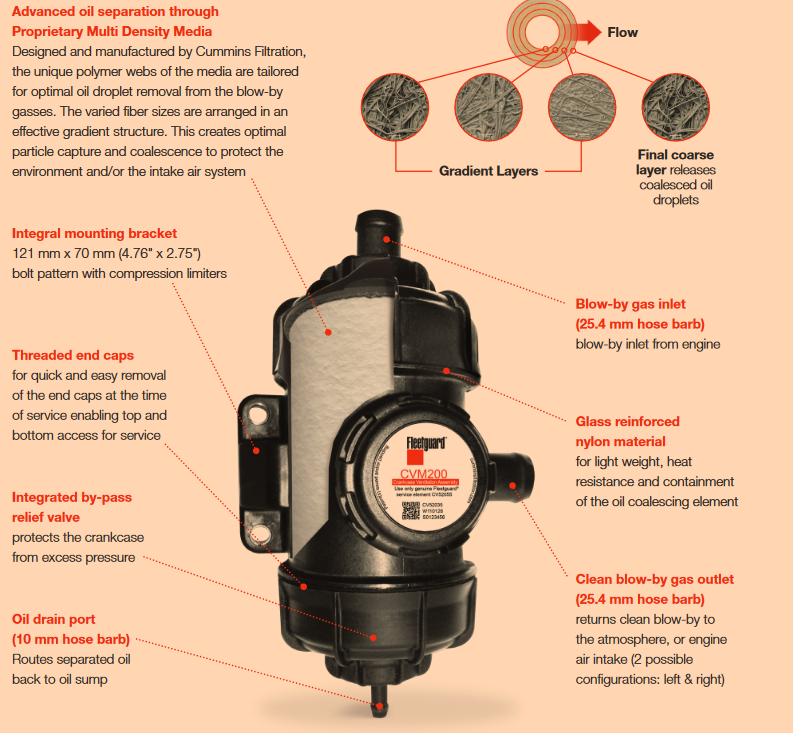
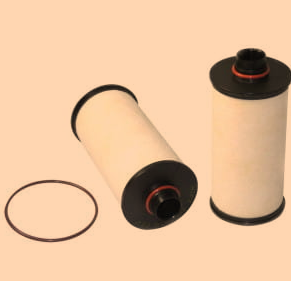
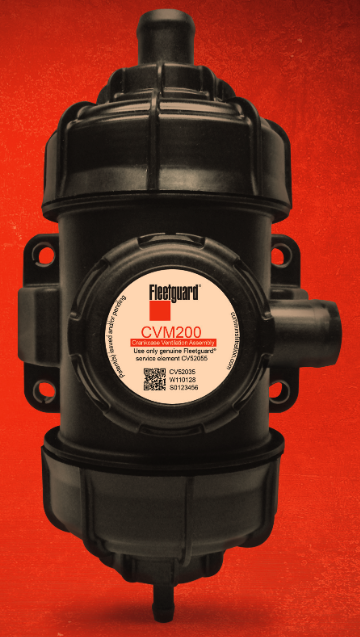
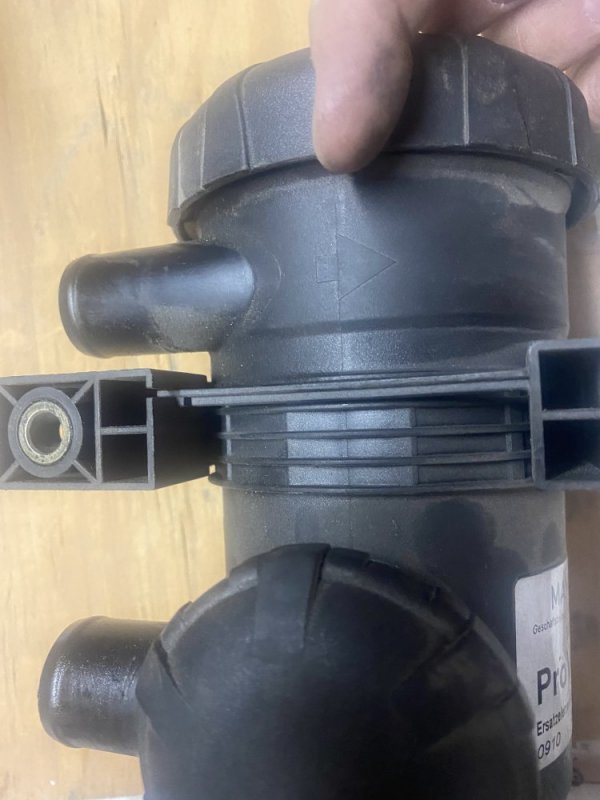
If you want to, you can cheaply order the knock off which is built to exact specifications except has stainless steel filter which gets wiped down or rinsed and reinstalled. It doesn’t stop oil as well obviously but a person could buy the MannHummel filter and experiment with them to see the difference. And it probably cheaper than most can diy for at under $45. Note it does not come with the oil return check valve, most drain into a bottle and try to filter out water vapor contamination before pouring back in. A simple 5 minutes added at oil change time.
The actual filter is like $20. The oil return check valve is around $15. So $80 and you have a descent knock off of what after decades of testing proved to be the best, for this application.
Remember if you choose to build your own - do something for pressure relief, and strongly consider low oil volume warning sensor in the pan to light up early warning. What happens when your diy filter plugs, and you build from 10 to 20, even 30psi pressure? Goodbye front and rear main seals. People think about oil pan, valve cover gaskets leaking and assume they might have to spend a couple hours with a ratchet and tube of silicone. Nopers- weakest link my friend is the tiny non compressed seal around the spinny shaft at each end. 10psi is easily achieved by n/a gas engines running 10:1 compression, and 6psi is normal! Wanna guess how well a seal can not just seep but tear when 21:1 and 12psi boost goes passed some old rings? Nice new flexible seals will dump the pressure along with whatever oil is in the way and when pressure subsides will return to proper position and seal up again. Old hardened seals that don't flex well anymore lift from the pressure and crack, even loose a chunk. Usually at least it’s the front main seal that dies first, much easier replaced.
My suggestion is before you start drawing concepts and buying parts- spend some time searching the testing already done in decades past to save yourself a lot of aggravation. Then by all mean, experiment away. But knowing the pitfalls ahead of time is probably worth it.