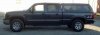
265 75 16 BFG AT KO's 1998 K2500 here.
D rated.
Run at 50 PSI as per the door placard for the fronts. Rears should be 80, but if memory serves 60 is the max tire rating so that's what I run.
truck calls for E rated tires, but I run the BFG's.
No complaints. Rides smooth and stable. Tows our 35' travel trailer with no issues.
I agree with Will on this matter for a couple reasons. First, the truck manufacturer doesn't manufacture tires. Second, the pressure being higher in the front than the rear doesn't make logical sense if the truck is unloaded. Typically, the heavier the load, the more pressure necessary for the proper "print" on the road surface. The varying pressures are for best wear and performance for that particular tire size, based on the weight it carries.
On the speed:
Metric tires - 71-51 - no change
50-41 - 7% load increase w/o pressure change
40-31 - 9% load increase w/o pressure change
30-21 - 12% load inc. & increase pressure 10 psi
20-11 - 17% load inc. & inc. press. 15 psi
10-6 - 25% load inc. & inc. press. 20 psi
5-2.6 - 45% load inc. & inc. press. 20 psi
2.6-creep - 55% load inc. & inc. press. 20 psi
creep - 75% load inc. & inc. press. 30 psi
stationary - 105% & inc. press 30 psi
I realize most people aren't interested in hearing about anything under 65 mph, however, this information could be useful in the event something really large needed moved for a short trip. DOT might not care, as mentioned above, but it would be arguable in a court of law, if it came down to it. I highly doubt any of us would be on a DOT monitored route with obvious weight overloads that would draw their attention enough to have them stop us. An accident might be another story. To that, I would say you should contact the Tire and Rim Association, tire manufacturer, attorney, whoever, etc. if a failed tire was to blame. Use your own best judgement.