• Welcome to The Truck Stop! We see you haven't REGISTERED yet.

    Your truck knowledge is missing!
    • Registration is FREE , all we need is your birthday and email. (We don't share ANY data with ANYONE)
    • We have tons of knowledge here for your diesel truck!
    • Post your own topics and reply to existing threads to help others out!
    • NO ADS! The site is fully functional and ad free!
    CLICK HERE TO REGISTER!

    Problems registering? Click here to contact us!

    Already registered, but need a PASSWORD RESET? CLICK HERE TO RESET YOUR PASSWORD!

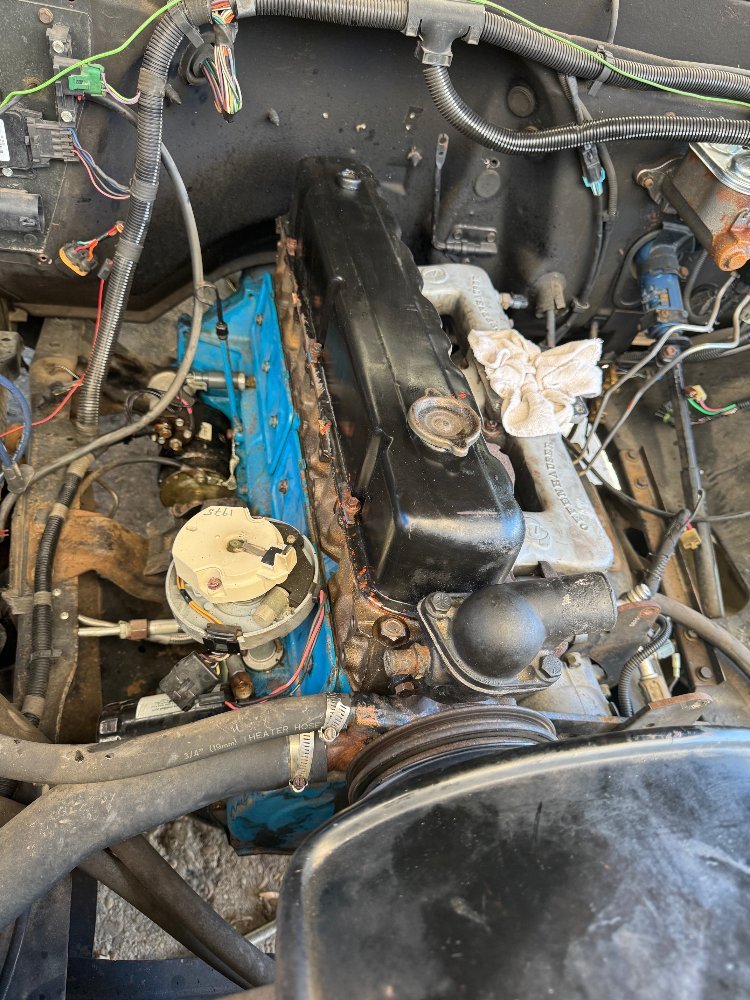
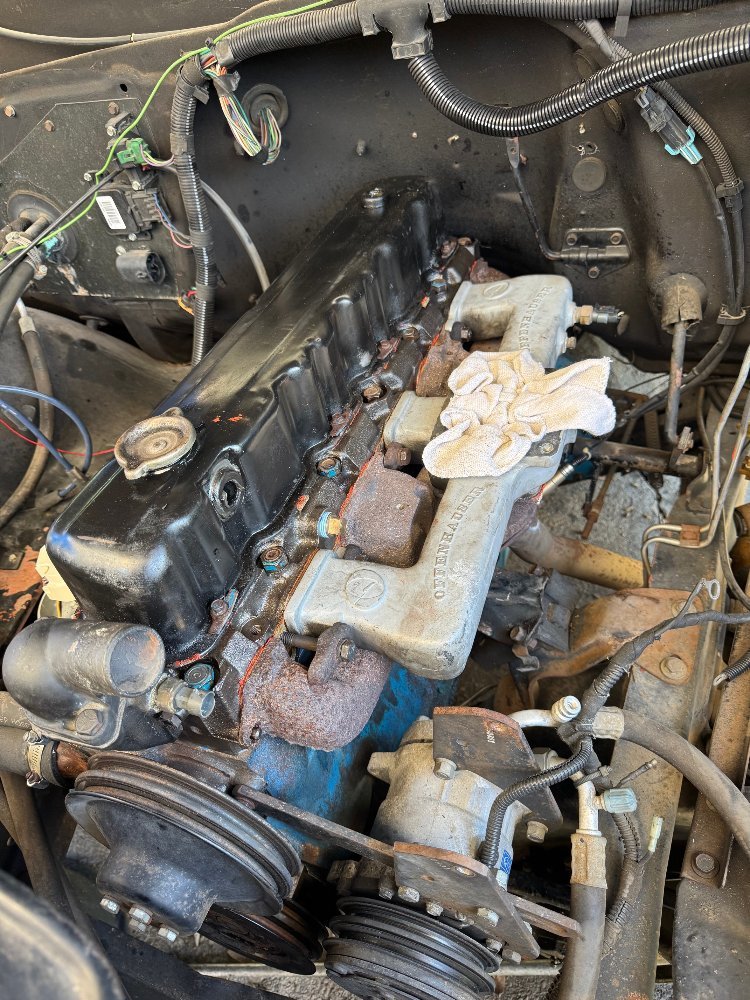
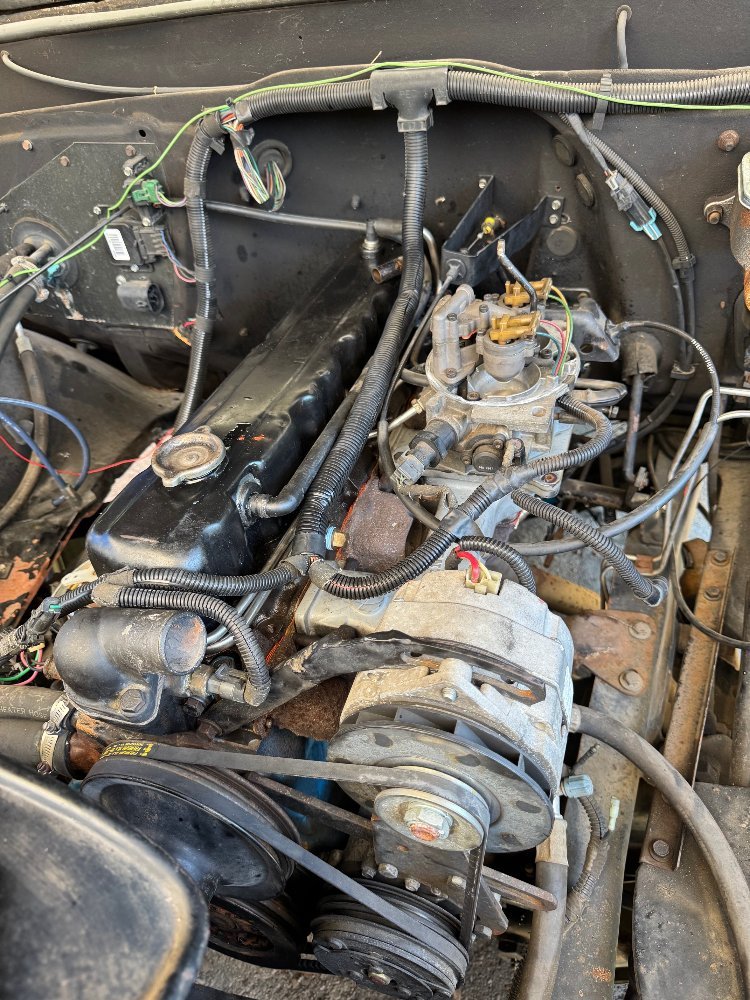
My son's 1968 Chevy

are you sure your at TDC for firing? maybe 180* off
I will have to double check. I believe it is, but all I am going off from is the distributor rotor and the timing mark on the crank pulley. both the intake and exhaust seem to be at the same height.

I can try rotating the crank slowly and watch the push rod and rocker as it moves. will also check the others listed for when it's at TDC that can be adjusted as well.
 
I had joined on a C10 forum recently and mentioned that I was having trouble figuring out the valve lash on this engine. one of the guys mentioned to lookup Ken Ellison and how he sets hydraulic lifters on any engine. I did a search online and found this video almost straight away.

it explains a lot and makes sense. it's been too long since I have messed with older engines and been into them this far for me to remember what I was supposed to look and feel for! In his video he says it doesn't matter where the engine is at, TDC or not, to adjust to zero lash on each one and keep rotating the engine 90* and re-checking for lash. to do this for at a minimum of two revolutions of the crank. Then tighten 3/4 turn more and it's done!

I think I will try this tomorrow. only thing he mentions is to make sure the lifters are not pumped up. I need to check this before I start. I think this is the key and might be what I ran into with the first lifter. I believe it still has oil in it and is pumped up.

 
We always did it with a cut out rocker cover- rag over top of it. Start engine and idle. Go till ticking stops and 180° to 225° depending if you wanted more power =180° or quieter engine= closer to 225°.
 
Posting this for reference on bleeding the lifters. I should be able to take one of the old push rods and place the lifter flat side down on my drill press and verify they are blead down or actually bleed them.

 
This would also verify checking if the lifters aren't stuck too. I was reading on another forum about a guy asking the same thing. he got a lot of flak for it, but in the end he tried compressing them and ended up finding two that were stuck. taking them apart and found the plungers froze up and just replaced all of the lifters.

being that I had three studs back out of the head and from the looks of it, the engine was ran with three rockers off the valves along with one of the old push rods looks like it took a beating, I might as well check this. I didn't see any damage on the flat side that rides the cam, but if the internals were damaged I would not know it.
 
I always disassembled them for cleaning & inspection. They hen reassemble andI putting them in a small bowl of oil and used a pushrod to manually pump them up and bleed out the air. I know a ton of people who soak them for a couple days before install- so I do that also
 
Unless the lifter is totally collapsed You are doing right.
The tension on the pushrod is normal.
Follow through with the rest of the procedure the after liquids is topped then fire up that engine.
After being assured that all is well, then back off the rocker adjusters one at a time, back off until they start to tap, snug down until they stop tapping then tighten the 3/4 of a turn and call it good.
 
Back
Top