Many people understand higher temps wear things out a bit faster, and lower the pressure capability a bit. I thought I understood it some until I started working around the oil& gas industry. When I saw the charts it really opened my eyes.
An SF 150 rating is entry level stuff. A 1” pipe that has the bolt on end cap (called a blind flange) weighs 2 lbs. while that isn’t crazy heavy, actually find something 2 lbs and feel it realizing it takes that much steel, with the sealing surface over 1/2” thick to be this minimum level.
At ambient temperatures that we experience daily, that can hold in 280 psi safely. Bump that up to just under 400f and it only holds 200 psi. That is nearing 1/3 of it’s capacity lost.
Next not applicable here at all but sets the melon gears to turning- Up to 800f and it cant even hold 80psi and at 1000f it only holds 20 psi! That is over 1/2” thick piece of flat steel.
Now, the pipe that the flange gets bolted to is schedule 40. So not as thick, just a hair over 1/8” thick steel.
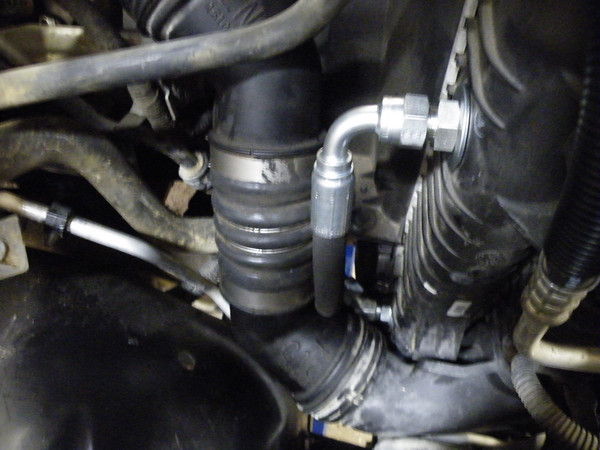
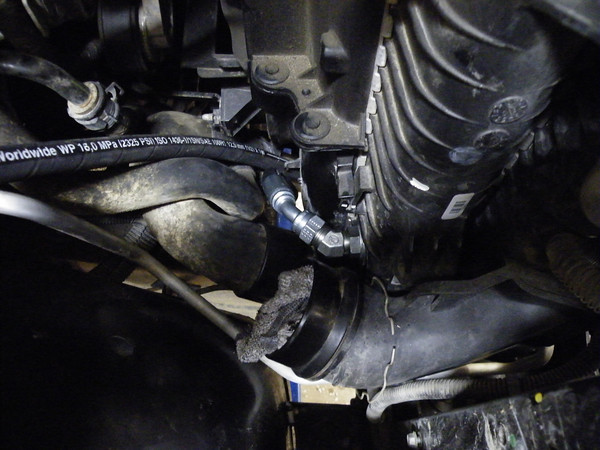
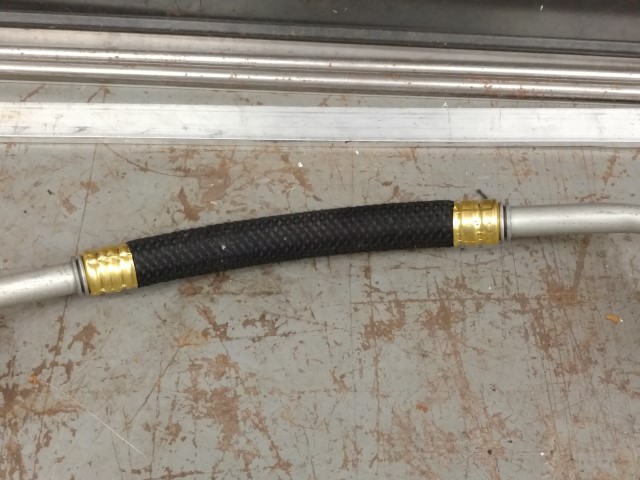
The factory line trying to hold 220 psi at temps of 325f... if that were steel pipe used in an industrial setting, it would qualify, but barely... if it is being sf150 rated.
How thick is that line?! What is it made of and how is it connected?! Think it would be rated to use like that anywhere?! And what about vibration?! Haha-
Simply a case of barely built to make it through warranty most of the time and keep cost as low as possible.
Definitely something owners should consider upgrading the first weekend after the warranty expires.
I know the ratings and temps dont align exactly the same for different material and assembly process. But it sure give some folks (at least it did me) a concept of how bad temperatures really affect things.