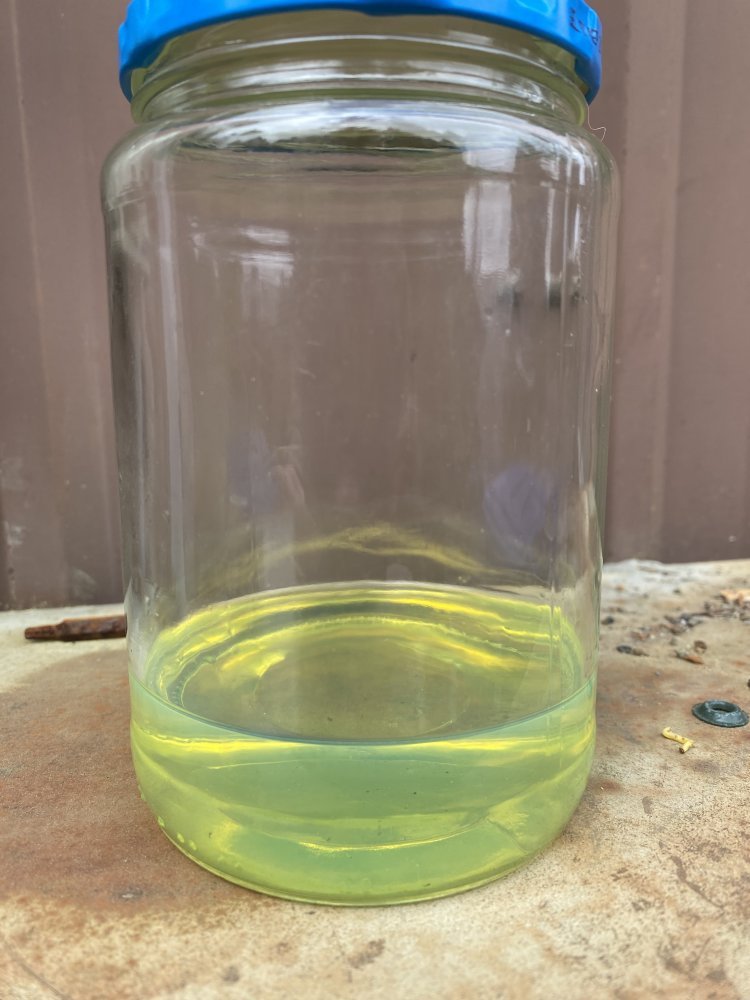
Correct- the fuel looks perfect. Good that you don’t have algae in the fuel or other garbage. But sunlight makes them grow more not darkness.
Yes the filter could be plugged but I really doubt it. You could open it up and inspect to see of the new one plugged up.
Be sure you check the small center filter ak diesel driver mentioned. That can plug up and be a problem all by itself. As dirty as the first filter was, it wouldn’t surprise me. Here is what they are. You almost never have to replace these, they rinse of with fuel, but not like they are expensive. Basically smaller diameter than your pinky finger.

leroydiesel.com
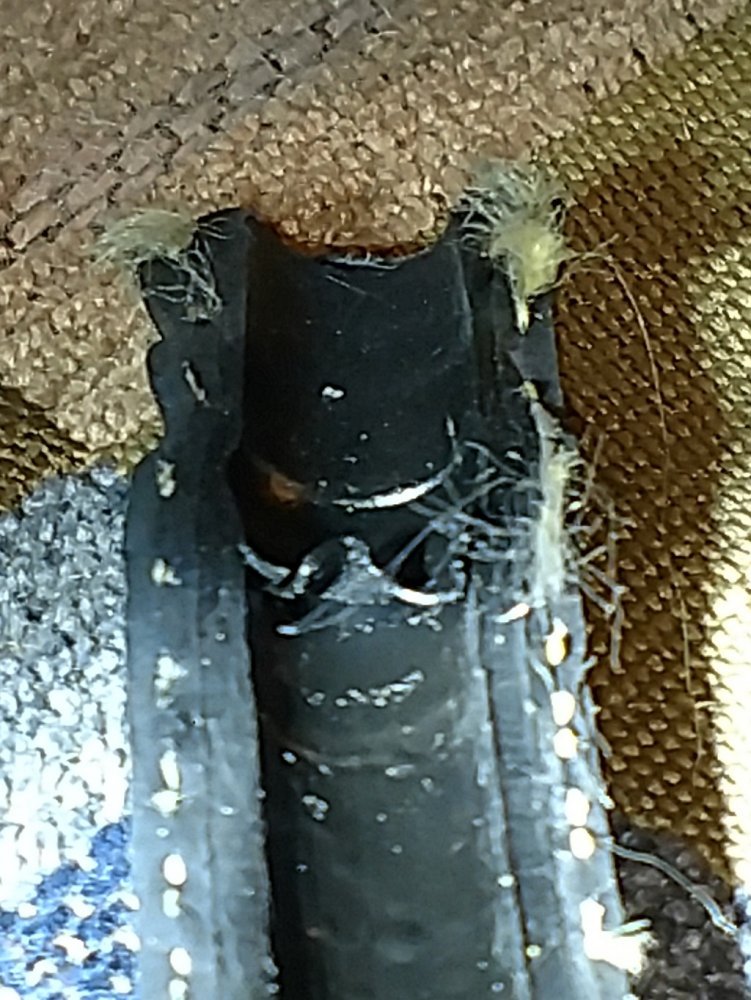
Really make sure the fuel line you are reading the pressure from is inbetween the ffm and ip. It should not be but someone could have changed it. Make sure to follow the line. And you might need to replace the rubber fuel line if the previous owner didn’t do it yet.
Even so- 5psi is not good even if it maintains 5 psi when you drive. 8-14 is the range suggested by stanandyne (ip manufacturer). Long term the best answer isn’t fun or cheap. Get a Fass lift pump with filter system. Mount it just infront of the passenger side tail light behind the rock shield. You have to run some new fuel lines to do this obviously. Electric running to it as well. Eliminate the factory barely adequate ffm and eliminate the wholly inadequate factory lift pump.
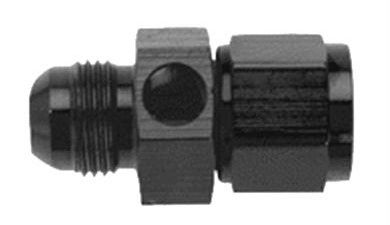
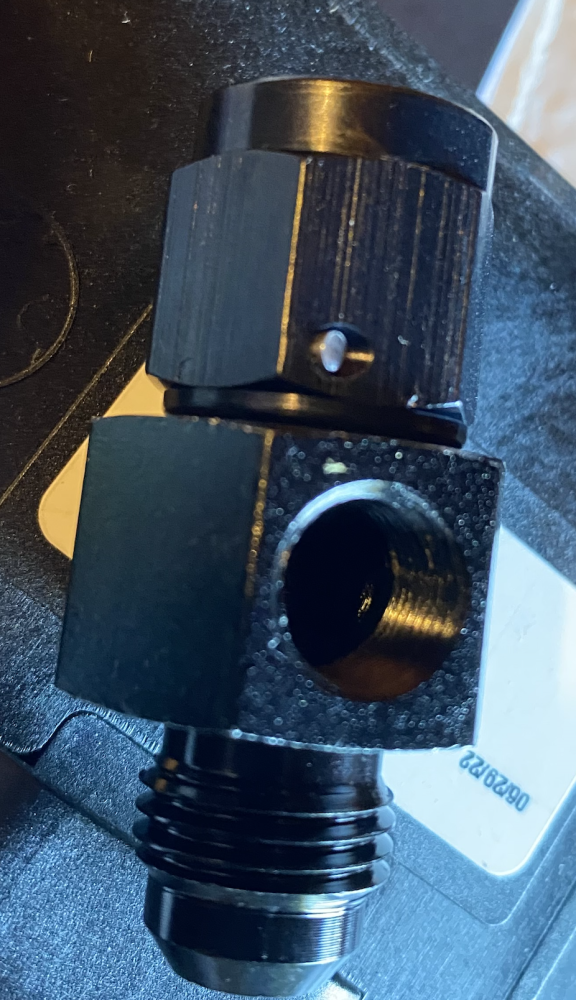
There is guys on HML that have installed that pump in that location, worked out really well. The much much larger fuel filter and water separator filter means instead of doing a fuel filter every 10,000 miles you probably go 40,000 miles between changes. If you live in a cold area where fuel heater is needed Fass sells one that goes into it. This is a descent task for new diy people- if over your head then modern diesel shops can do this no problem. Replacing all the original rubber lines with sae30r9 done at same time. The old lines don’t withstand the modern fuel- and deteriorated hoses could be your problem right now. The only way to know is getting that fitting I showed and read the gauge tapped from there while you drive it.
The fuel pressure gauge being mounted permanently in the dash is huge because whenever there is a hiccup you know instantly if it is a fuel problem. Low fuel pressure ruins the ip. You also might be fighting a very worn out ip because of it.
With clean fuel at proper pressure- the ds4 ip is usually good for 250,000-300,000 miles. Running clean fuel but going into vacuum instead of pressure on the fuel line I have seen brand new ip ruined in 20,000 miles beyond rebuilding capacity.
There is a serious reason I push the gauge so hard. Not like I make money off people installing them- I just hate seeing people kill their engines when the fix is simple.
As to the second sensor mentioned- this is what I am doing on my current build.
Have a sensor at the ip in the adapter fitting I showed. Then another sensor onnthe incoming side of the fass fuel filter. Run wire from each to a switch and the output of the switch to the gauge. So switch in position 1 I see the pressure at the ip. When I want to know when filter needs to be changed flip switch to the other sensor and read incoming pressure. Seeing the larger differential in pressure will indicate when the filter is needing replaced. It will take some time to learn that pressure but then it eliminates replacing too soon or too late. This isn’t critical just a convenience thing. 8-14 psi at ALL TIMES is critical.
If you look around for a different lift pump- speak up before you buy. The factory design (type) a bunch of us did comparison testing and the best one is the AC Delco EP158. They are like $100 and you will barely hit 8psi at best. Then replace it every 2 years. Long term if you are going to put 60,000 miles on the rig it is cheaper to get the Fass system.
Right now because of what we already see whats been happening- double the dosage of your fuel lube additive.