The major difference in the 6.2 Detroit diesel engine over the 5.7 olds was enough damn head bolts. The 6.2 had it's own factory line to be built. The V6 olds diesel with enough head bolts may have made it. Would not have been superstars for reliability, but, wouldn't have been a disaster of making Lemon Laws. As it is GM ignored Detroit Diesel saying use a forged 6.2 crank opting for a cheaper cast crank. The 6.2 almost was as big of a disaster due to bean counters at GM. Only because of the Olds 5.7 Diesel does the 6.2 have a better reputation and not a good one at that.
I sit back and watch history repeat itself with GM's hand in the 3.0 Ecodiesel "zero or hero" engine and the 2.8 baby Duramax breaking wrist pins. GM is too bean counter centered to have any business designing a diesel engine on their own. Apparently GM is still too blindly stupidly cheap to understand this. The Isuzu Duramax was an accident GM won't repeat. GM should. The 6.0 Ford may be a warning, but, Cummins and Isuzu were very successful.
The GM Bean Counters fell in love with the "
Use the same tooling as gas engines" cost savings for the Olds 5.7.
Other better diesel engines were proposed at the time. Specifically the tooling for gas engine head bolts and head bolt count was it's major downfall. So there were not enough head bolts for the 22:1 compression. TTY head bolts were used for more clamping force than standard gas engine bolts that no one knew **** about at the time. TTY bolts were not enough to overcome the lack of bolts. A head gasket failure was a quick 2nd failure due to reuse of TTY bolts. Usually the HG blew from a TTY bolt stretching out. Even the latest "fixed" blocks were still lacking in head bolts.
Same tooling? Yes, run the thicker block with the IP drive cast changes made down the same machining line as the gas engines. Change the torque for the fasteners and other minor adjustments. Save the cost of a new factory line, workers, machine tools, etc, to build diesel engines. GM Bean counters were overjoyed to also cut R&D and testing out.
The V6 diesel had more head bolts but that design was too little too late with the V8 Olds Diesel Hand Grenades reliably going off.
Drygas, we have forgotten about now, ruined IP pump governor rings till 1986 as people used to this for gas cars dumped drygas in their diesel cars.
Getting typical dirty wet American diesel ... and one of the first recalls was to put a Water In Fuel light on the Olds Diesel cars. Yes to insulate consumers from diesel GM left off things like a WIF warning. Further filters and water separators used for ~30 years were not up to the job. GM and other OEM's ignored yellow iron and big rigs that had filters figured out.
Bad filters: The IP would bind up on rust/dirt from water, snap free, and advance the timing for the next cylinder so much it would shatter a cylinder.
One of the first engines to get a roller cam because it needed one. Later Olds diesel engines had a roller cam. The roller lifters are the same part number as the 6.2 and 6.5 lifters. (GM Olds gas engines of the 80's era also had trouble with failing camshafts.)
One of the oil samples my dad sent in from a 1980 Olds 5.7 (non roller cam) got a call from the lab as it was "critical engine is failing" with wear metals in it. Once the lab figured out it was in a 5.7 Olds diesel: "Oh, they are all like that." Small oil filter on it as well and very short change intervals. Did I mention it needed a roller cam from day one?
The diesel vibration broke the alternator bracket on ours under warranty. They were also known to fling fan blades off from vibration cracks: recalls for fan cracking and failing.
CA, CARB, banned the sale of them for 1985 as they would belch smoke badly on a grade. The 5.7 diesel engines would not last long enough to pass the longer CA emissions certification for 1979-1980.
The Olds 5.7 Hand Grenade Diesel was so unreliable that it put Lemon Laws on the books. You simply can't fix that bad of a reputation.
GM never added more head bolts to fix the fatal design weakness on the Olds 5.7. They couldn't due to the assembly line constraint. Only The Ford 6.0 diesel even came close to kicking the Olds off the unreliable diesel hill, but, the 6.0 can be "fixed" esp. by aftermarket parts.
There was a
4.3L V8 Olds Diesel that had main bearings bigger than the cylinder diameter. Simply a small bore version of a 5.7L: WHY Bother? Never rebuilt and failures got a 5.7L replacement. MPG improvement may be the reason.
I tore one of the Olds FWD V6 diesels down for a class on engines. GM had donated it to the school for education. I was the ONLY one to touch it in 20 years. It was for a FWD 1985 Olds 98. To keep weight down it had aluminum heads that had a Styrofoam texture. Some of the head bolts required some special tools as I recall. The IP had a yellow varnish in it from sitting so long. The engine itself would have quickly failed had it been put in a vehicle and run: one of the pistons has occlusions in it from casting. Specifically air bubbles in the skirt. At the time, 1999, I had no idea it used TTY head bolts. GM service training has come a long way since the Olds 5.7.
Smoke on the water.

drivetribe.com


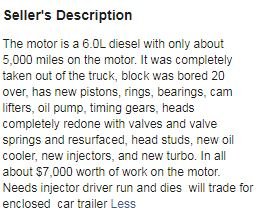
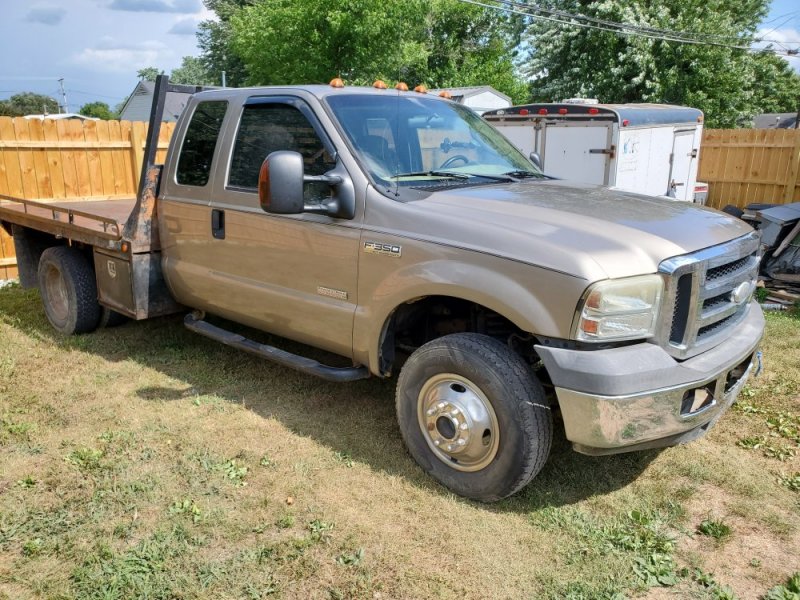
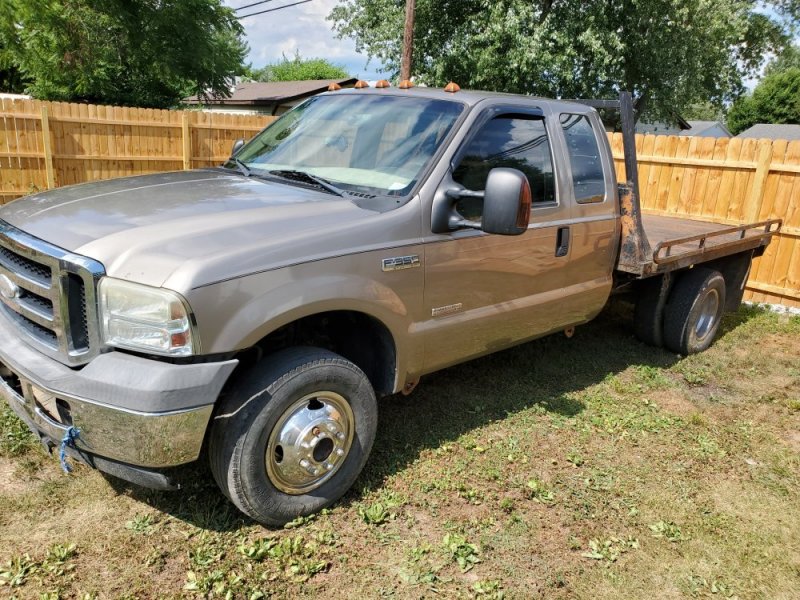
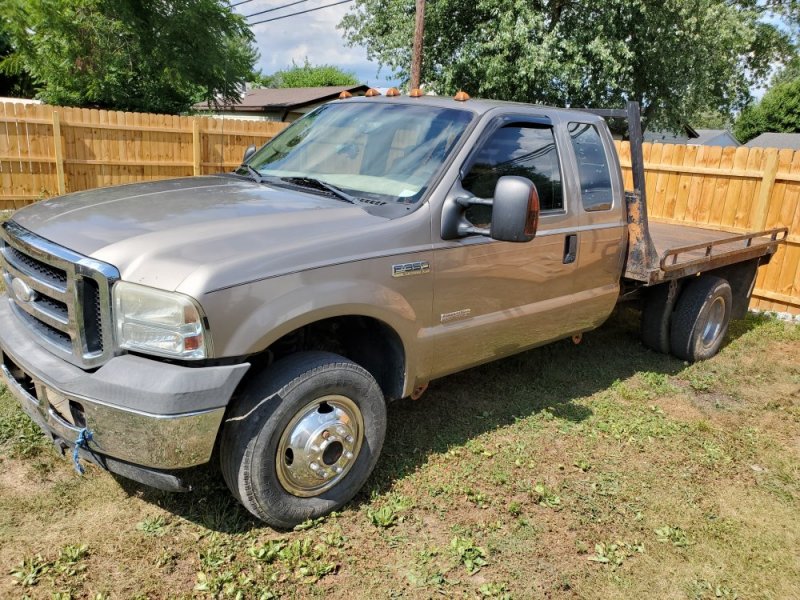


 Make your collection of misunderstood diesel disasters complete.

