
Will L.
Well-Known Member
Pressure gauge yet?

Follow along with the video below to see how to install our site as a web app on your home screen.
Note: This feature may not be available in some browsers.

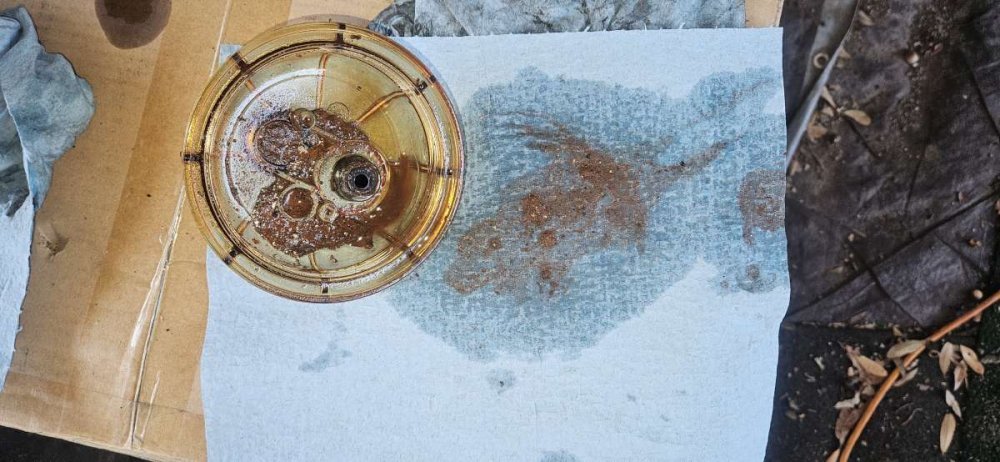
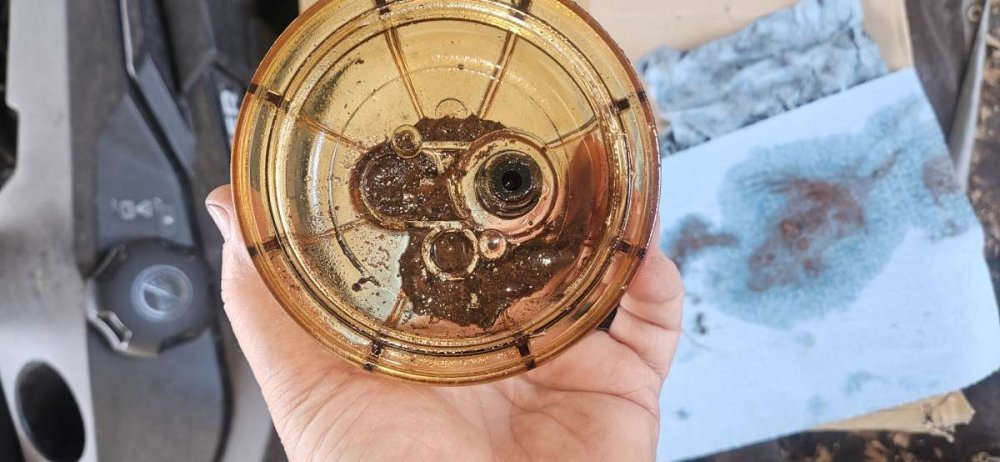
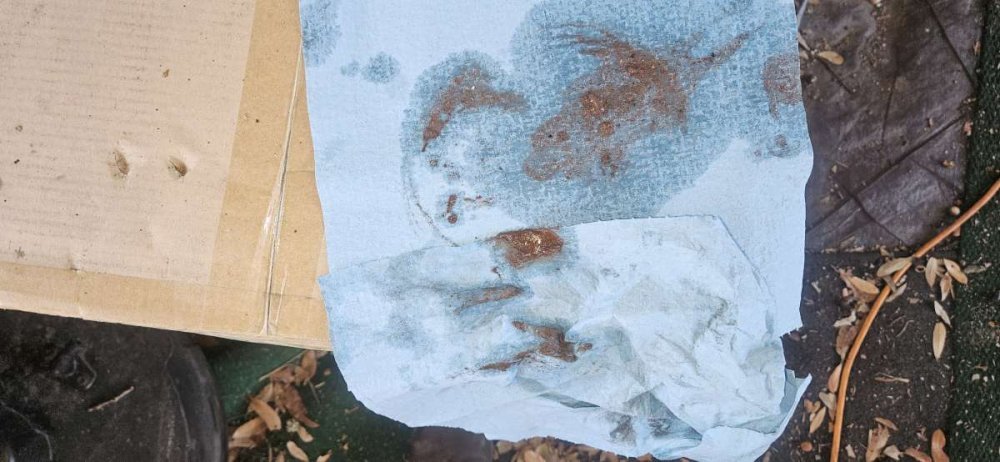
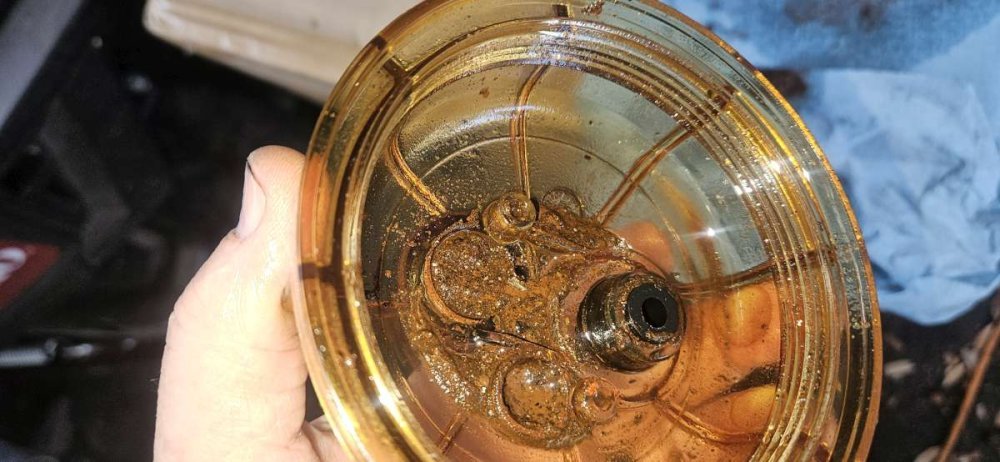
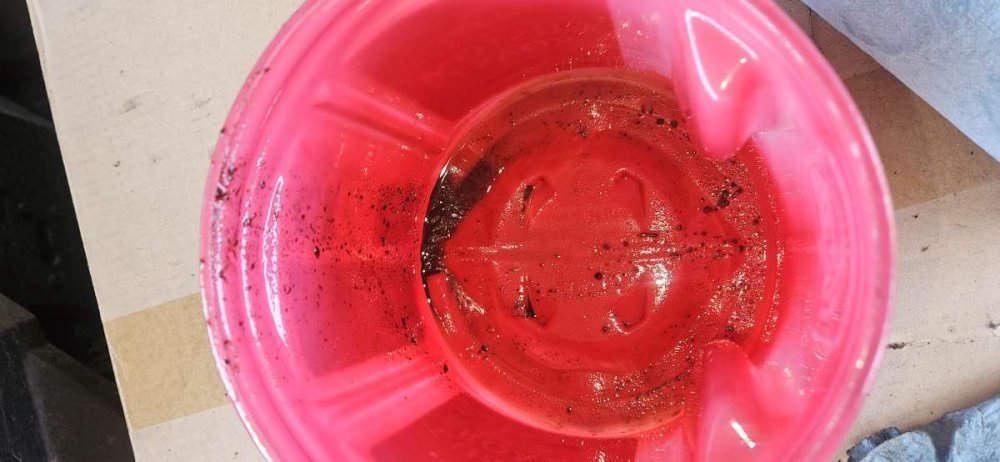


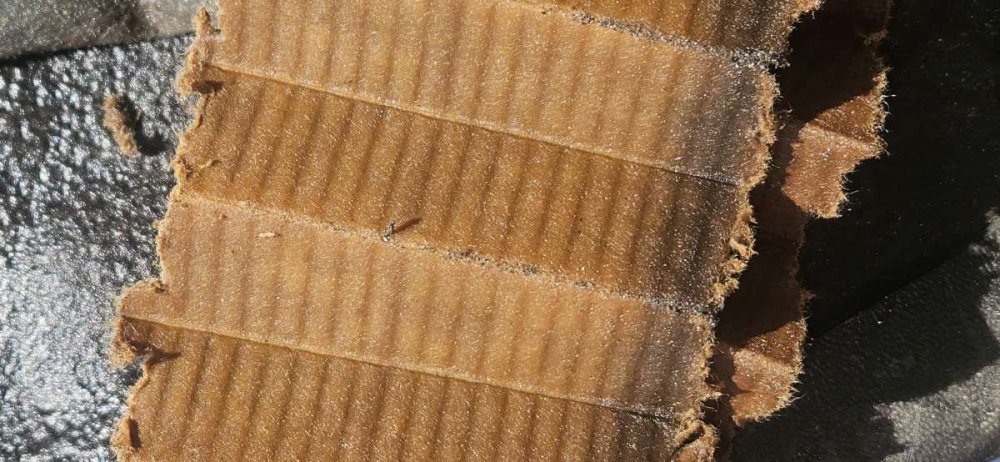
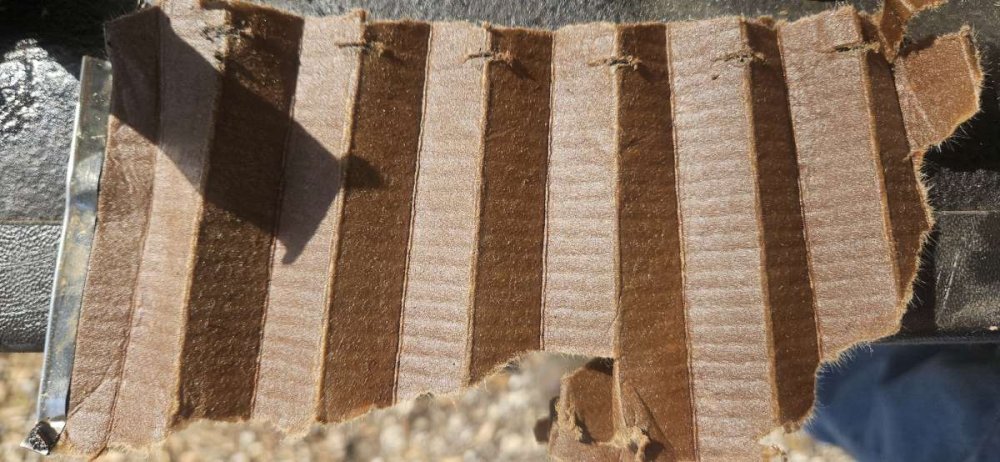
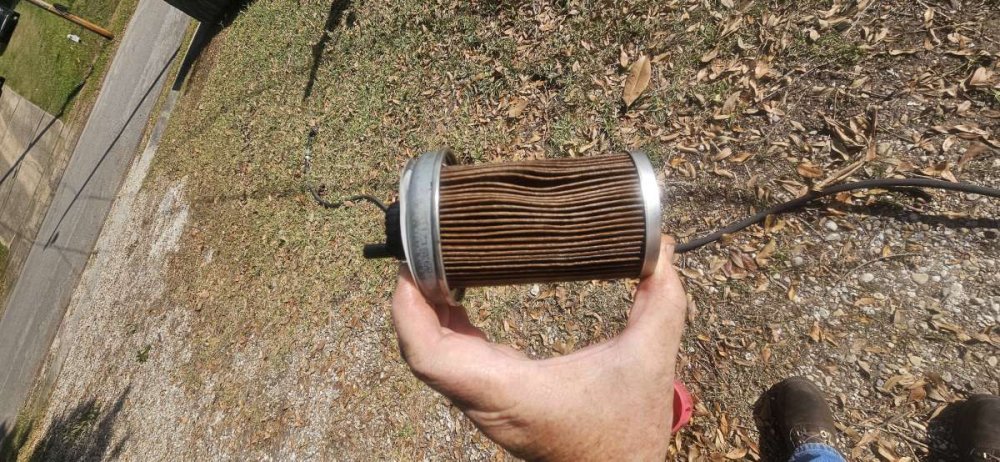
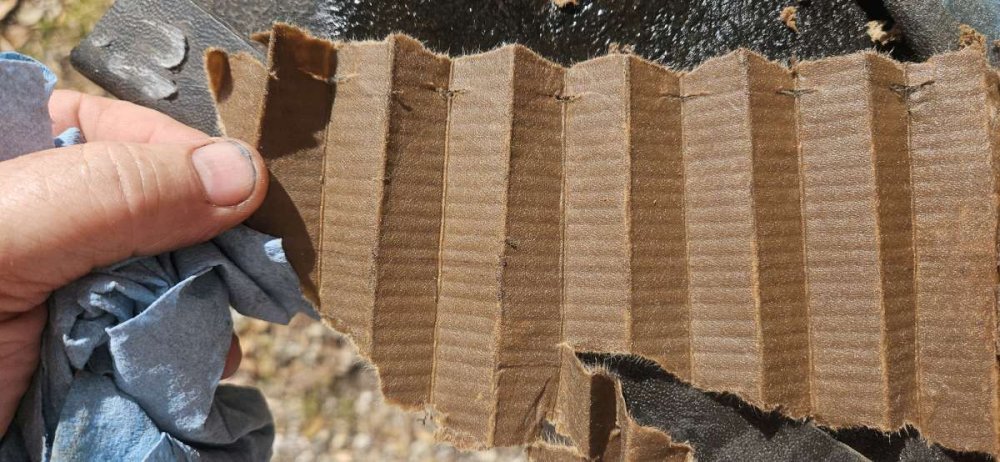
And what are high quality gauges, snubbers amd fuel.pressure sending units?Yummy! Sorry to hear but glad you found out the issue.
The drawback of filtering down fined is it works the liftpump more so keep an eye on that, and for folks living in a freezer, the finer filter is where the gelling occurs so a heater becomes more of a requirement.
Something lacking on the factory filter is the ability to deal with water.
The original fuel wouldn’t suspend water in it, it naturally separated. So the spoonfull of water the filter will absorb and start passing through wasnt a big deal as the WIF light came on and we drained out the small amount of water which we rarely had to deal with.
No that they are determined to squish corn juice into our fuel the ethanol can absorb its own weight in water. With minimal ethanol amount @5%-10% depending on time of year, congrats you now can have 10% water going through to do the number on your optic sensor, pump rotor housing & veins, and injectors.
So while you are messing with adding a better filter, my suggestion is add one specific for water. The factory one will saturate then allow the water to pass through. I have not researched all the different filters that can stop it, hut have found one that is Absolute. FASS.
The argument against them is cost & what if it stalls the engine causing a safety issue.
Having a fuel pressure gauge on your dash, as it plugs with water you will see the pressure dropping if you have a moderate amount of water plugging over time and you can address it.
What if the neighbor kid fuels you up with a garden hose? You can drive then the slug of the water stops all the fuel near instant as you have to steer& stop without power assist. Without the fass that same volume of water would bypass the ffm and damage the ip shutting the engine down anyways. The difference is one way you can unscrew & pour out the filter, put it back on and start the engine to het off the freeway, the other way you are waiting for a tow truck and a new ip.
So obviously I see it as way worth it.
My plan going to electric pressure gauge is use a sensor before the filter, and at the ip. Flip of a switch and you see the difference of plugging filters. @MrMarty51 has done his this way for questions. The worst part of it is high quality gauge and sensors cost as much as a truck now days.
Keep us updated.I wish I knew which to recommend.
For instance, auto meter was always considered an acceptable entry level gauge. Those start at $300 now and are from china & have a higher failure rate than ever before. They have some cheaper but like Marty experienced with the glowshift- the sensors fail soon
Used to be VDO, Longacre, AEM, etc made quality but they are chinese made now and have a higher failure rate than the older ones.
So unfortunately I don’t have the suggestion which brand to get. Idk if any of them offer a good warranty anymore
Something I plan to look at is ones rated for aircraft.
I have been toying with idea of a liquid filled mechanical gauge, copper tube "shrouded" inside a rubber fuel hose to dissipate any leaks in the line, we run "shrouded" fuel manifolds on ship and aircraft jet engines rigid tube over tube to mitigate pressurized fuel spray mist on a hot jet engine on 600psi fuel injection to turbine nozzles. Leakage sent to a alarmed leak detection tank 2.5 gallons sets alarm, fuel rubber hose over copper tube inside should be plenty protection for 10-15 psi from lift pump output.Keep us updated.
If anybody has a link to good quality fuel pressure gauge parts, please share
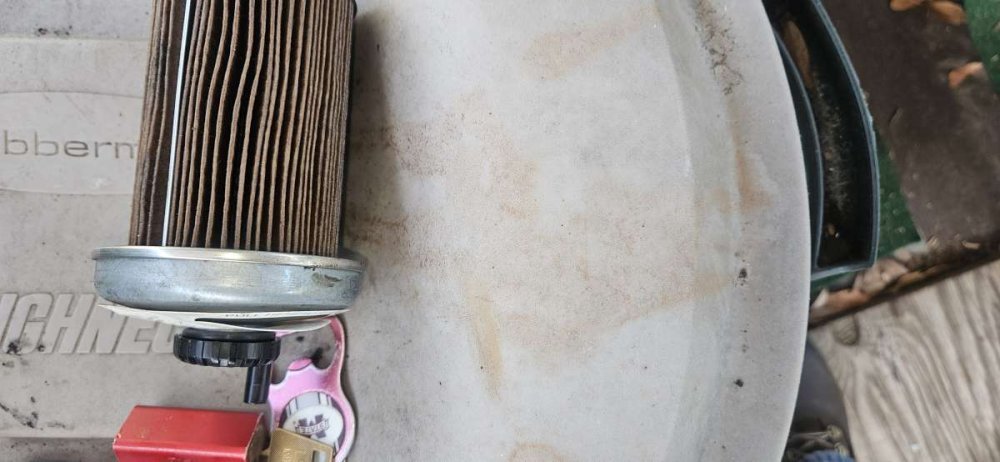
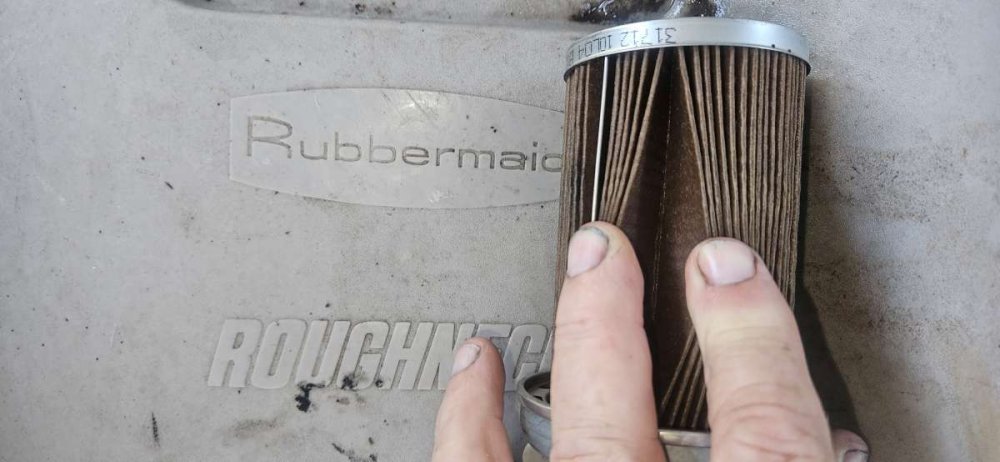
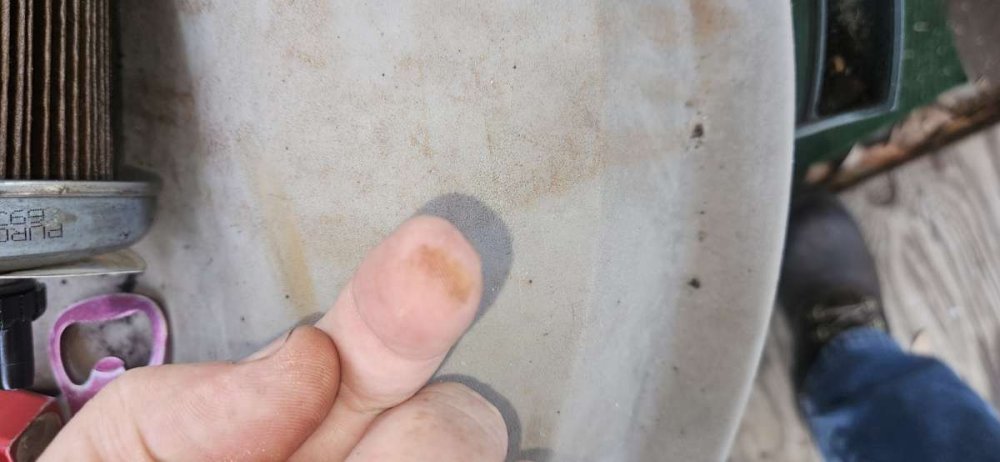
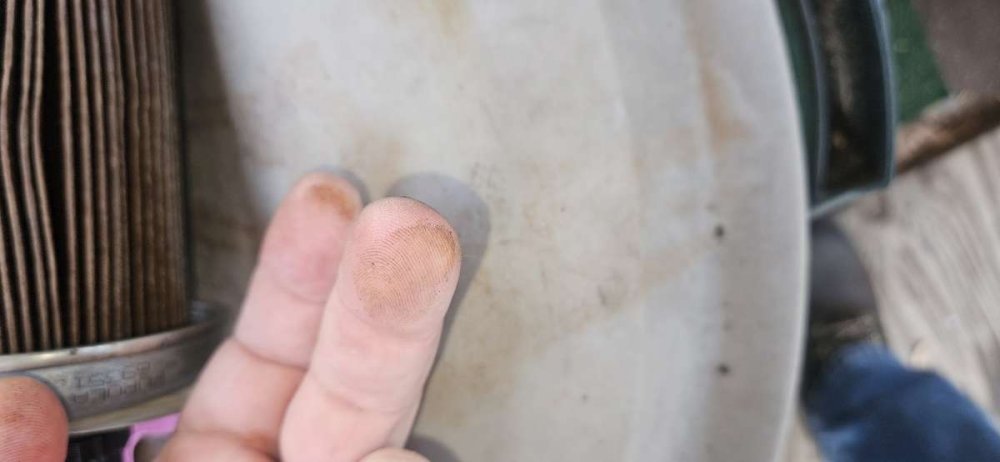
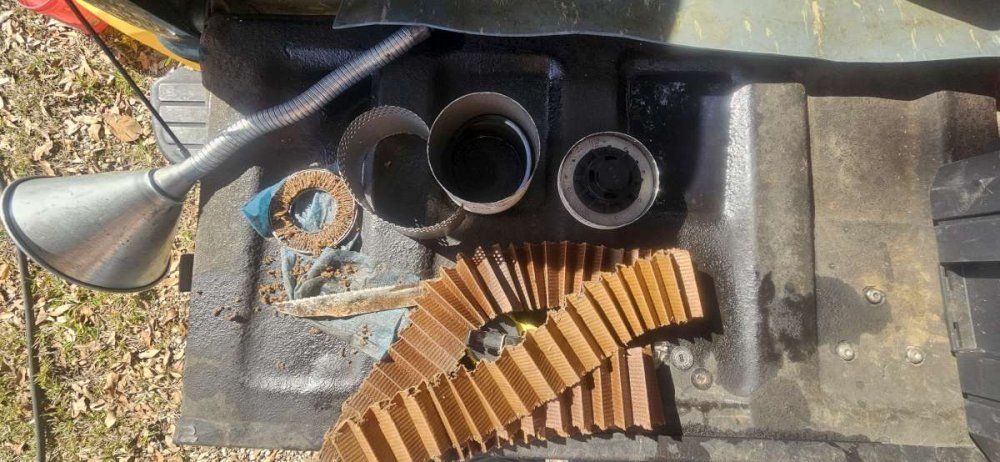
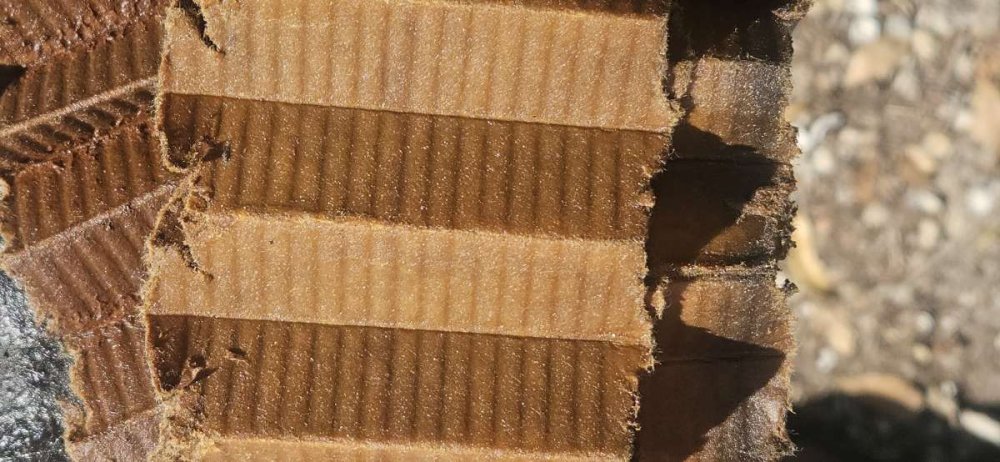
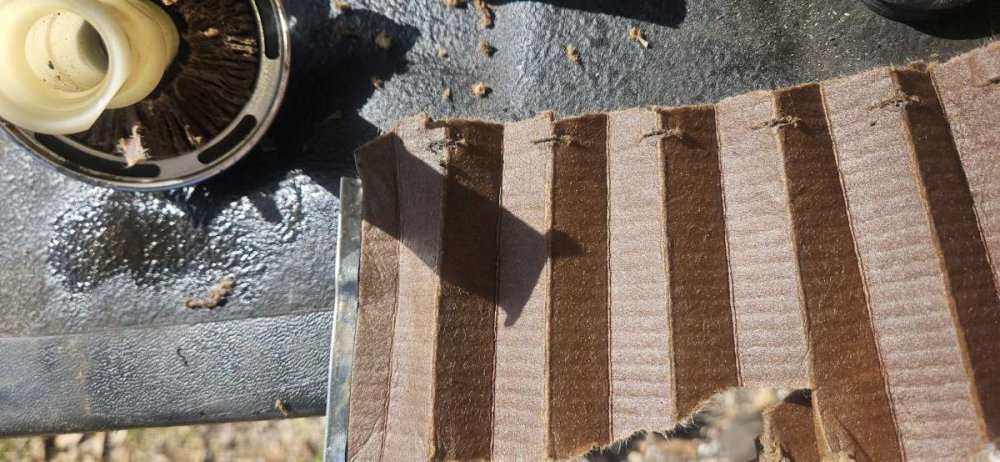
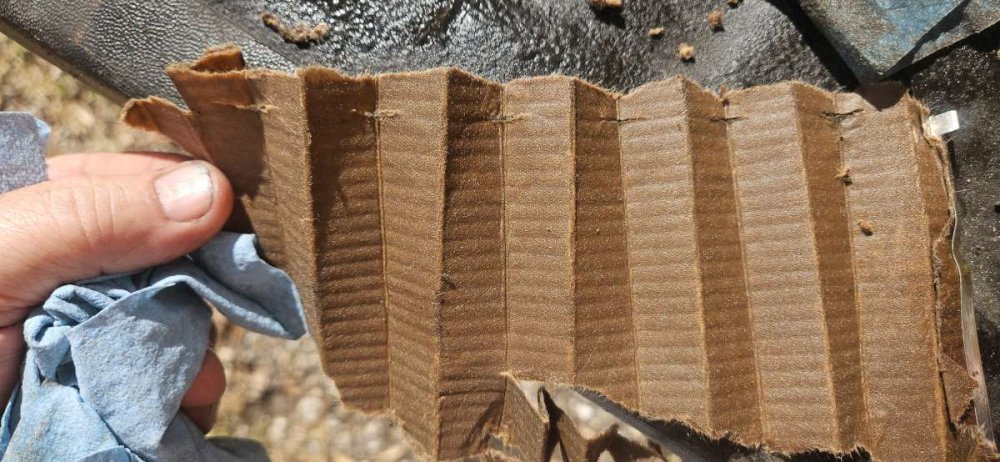
I run a Air Dog on my (06) 5.9 Cummins as AD/FASS did not exist in 2000 when I built my system on my 6.5, it took until 2025 before letting me down and I'm not 100% that the IP optic just didn't isn't let go due to age, as inside the filter (clean side) was clean.Yummy! Sorry to hear but glad you found out the issue.
The drawback of filtering down fined is it works the liftpump more so keep an eye on that, and for folks living in a freezer, the finer filter is where the gelling occurs so a heater becomes more of a requirement.
Something lacking on the factory filter is the ability to deal with water.
The original fuel wouldn’t suspend water in it, it naturally separated. So the spoonfull of water the filter will absorb and start passing through wasnt a big deal as the WIF light came on and we drained out the small amount of water which we rarely had to deal with.
No that they are determined to squish corn juice into our fuel the ethanol can absorb its own weight in water. With minimal ethanol amount @5%-10% depending on time of year, congrats you now can have 10% water going through to do the number on your optic sensor, pump rotor housing & veins, and injectors.
So while you are messing with adding a better filter, my suggestion is add one specific for water. The factory one will saturate then allow the water to pass through. I have not researched all the different filters that can stop it, hut have found one that is Absolute. FASS.
The argument against them is cost & what if it stalls the engine causing a safety issue.
Having a fuel pressure gauge on your dash, as it plugs with water you will see the pressure dropping if you have a moderate amount of water plugging over time and you can address it.
What if the neighbor kid fuels you up with a garden hose? You can drive then the slug of the water stops all the fuel near instant as you have to steer& stop without power assist. Without the fass that same volume of water would bypass the ffm and damage the ip shutting the engine down anyways. The difference is one way you can unscrew & pour out the filter, put it back on and start the engine to het off the freeway, the other way you are waiting for a tow truck and a new ip.
So obviously I see it as way worth it.
My plan going to electric pressure gauge is use a sensor before the filter, and at the ip. Flip of a switch and you see the difference of plugging filters. @MrMarty51 has done his this way for questions. The worst part of it is high quality gauge and sensors cost as much as a truck now days.
I'd be interested in this. Sounds more dependable than an electric gaugeI have been toying with idea of a liquid filled mechanical gauge, copper tube "shrouded" inside a rubber fuel hose to dissipate any leaks in the line, we run "shrouded" fuel manifolds on ship and aircraft jet engines rigid tube over tube to mitigate pressurized fuel spray mist on a hot jet engine on 600psi fuel injection to turbine nozzles. Leakage sent to a alarmed leak detection tank 2.5 gallons sets alarm, fuel rubber hose over copper tube inside should be plenty protection for 10-15 psi from lift pump output.
$9.35 from Amazon https://www.amazon.com/gp/product/B08GWY1JG4?language=en_US&ref_=as_li_ss_tl

i have a similar gauge, as that one from Amazon, under the hood, between the FFM and the IP so if ever the post FFM sending unit again fails then if I am in doubt about what the actual pressure is I can open the hood and then determine that the reason it seems that the FP is dropping is because the sending unit is again failing.I have been toying with idea of a liquid filled mechanical gauge, copper tube "shrouded" inside a rubber fuel hose to dissipate any leaks in the line, we run "shrouded" fuel manifolds on ship and aircraft jet engines rigid tube over tube to mitigate pressurized fuel spray mist on a hot jet engine on 600psi fuel injection to turbine nozzles. Leakage sent to a alarmed leak detection tank 2.5 gallons sets alarm, fuel rubber hose over copper tube inside should be plenty protection for 10-15 psi from lift pump output.
$9.35 from Amazon https://www.amazon.com/gp/product/B08GWY1JG4?language=en_US&ref_=as_li_ss_tl

Are there mechanical gauges that wouldn't require the fuel go the whole distance?I have the gloshift FP gauge and the dual SUs with a toggle switch in the midst.
i have a similar gauge, as that one from Amazon, under the hood, between the FFM and the IP so if ever the post FFM sending unit again fails then if I am in doubt about what the actual pressure is I can open the hood and then determine that the reason it seems that the FP is dropping is because the sending unit is again failing.
These mechanical gauges also require a snubber.
So far, since this last sending unit that was replaced under warranty, it seems to be functioning as it should.
While I was waiting for the replacement SU to arrive from Gloshift I ordered in one more to pack as a spare.
So now if the attached SU fails again then I can remove that faulty unit, contact Gloshift again and install my spare unit then use the next warranty unit for the spare.

Does those too require a snubber ?They do make an isolator, basically a diaphragm. I actually have a brand new one that I've never used