Bad part is this is not a new concept. It’s been around 15-20 years- using plastics.
Search tire pyrolysis. Most similar stuff that is all over 3rd world nations. But like mentioned tires are massive sulfur, so not a good thing.
So whats good and bad?
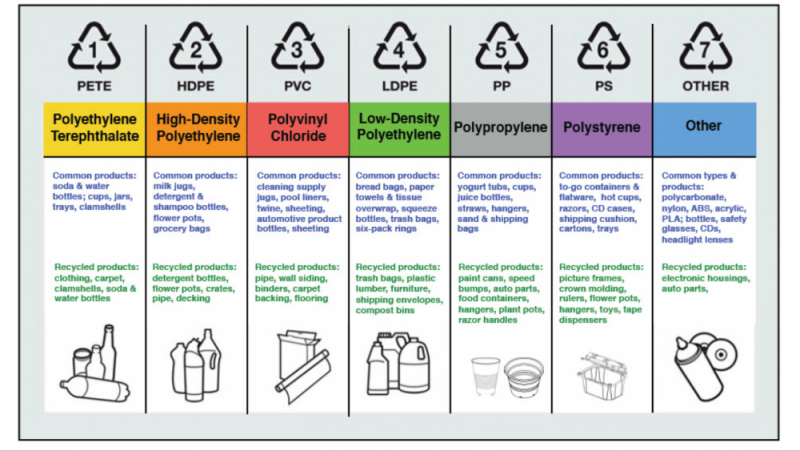
1,2,4,6 are most desirable. 5 is ok, but not a high yeild. So takes about as much energy to process as youbget out in the end. Still profitable for the company, but might as well skip
It because as plstic prices rise and fall, has potential to loose money.
3. The PVC- Momma says your the devil. It HAS TO be removed. There is multiple ways to easily seperate it.
7. OTHER. Ok, anytime you get anything that says “other” as an ingredient- run dont walk. Might as well not even have a number on it. Total garbage no one anywhere can use it for anything I have ever heard of. Maybe use as toxic fumes for child molesters breathing treatments while rolling them in the melted plastic? I get side tracked- sorry.
So there is a market for recycled plastics. The most expensive stuff is pete, and polyethylene 1,2,4. 2&4 are basically the same just more/ less dense. Anyways back at $100 bbl oil, pete was running $0.30 per ton - last I looked was years ago though. 2&4 were around $.020/ ton.
But that is clean and seperated condition, melted into blocks.
There was a task a comworker and I was asigned in the begining. How to seperate, clean, and prep plastic- basically from the trash trucks.
I worked around shredders when I was younger for a couple months. I still love to watch them- scope YouTube and shreading cars- way cool! So I thought step one shred everything, then run it through a wash system.
Then one of the owners asks “What about seperating, are you going to do it by weight in the water? Great idea!” So I said “Um... weight seperating in water?” He goes, “yeah. Pvc floats the good stuff will sink, might need to add some salting for buoyancy control, but yeah.”
I drew up a modified semi trailer pool that has 3 channels back and forth and rotating paddles to force the plastic down through the river. Filtering system up front by the pump, and mesh extraction conveyor at the end of row 2 for pvc off the top, and the final row would do the same- meshed conveyance but from the bottom. Getting them to seperate by weight was another one figured out by using the specific gravity, but wasn’t consistent enough.
There are advanced computer detection systems- Canada uses one- but it is kinda slow. Something like that could work after the lazy river wash n float seperator.
For our testing, we bought pre sorted and pre shredded plaastics. Later moved to just recycled plastic fromthe trash company. We tried not washing it- but too much contamination. The big $ owner was a major narcissist and when he thought something wasn’t needed (washing trash) he just skipped it. That was one of his many errors causing downfall of the company. The mini washer I built worked perfectly. He was just trying to shave pennies.
Washing created the problem of needing to dry out. Water going into a pyrolysis chamber is no bueno. See, it gets heated to steam, creates heating issues, then if it gets broke down at molecular level creates hydrogen peroxide which is not exactly friendly to fuels, and the other part is oxygen-
Ya know- the stuff that starts fires inside plastic that is 800*f. So getting it clean then dry takes some work.
Now, coming out of the pyrolysis chamber- (think big rotating pipe being heated to 1,000* plus at times) you have a lot of heat applied to that chamber. So pumping the heat to dry the plastics is not to hard. Simple diffusion and away goes the water issue.
At home use- dangerous really. You have to heat the chamber to crazy hot temps. Then keep it at low pressures for safety. If there is a failure a major fire starts with tons of fuel.
Think about this- using #1,2,&4 you get gasses like propane, butane, etc from about 5-10% (cant remember ratio right now) and maybe 10% parrafin wax. The rest is fuel. Mostly diesel, then equal portions of gas and kerosene.
You get pound per pound results. Propane, butane, etc are lightweight. How much diesel and gasoline is say 50 pounds if you gather it in plastic? If a fire breaks out it is gonna be a raging nightmare without prpoer fire suppression.
There was desk top models made in Japan that were about the size of a big blender. They worked but were inefficient and put out deadly gas. You have to capture or burn off the gaseous product- breathing it can kill or cause long term health issues.
So this system isn’t correct, but close.