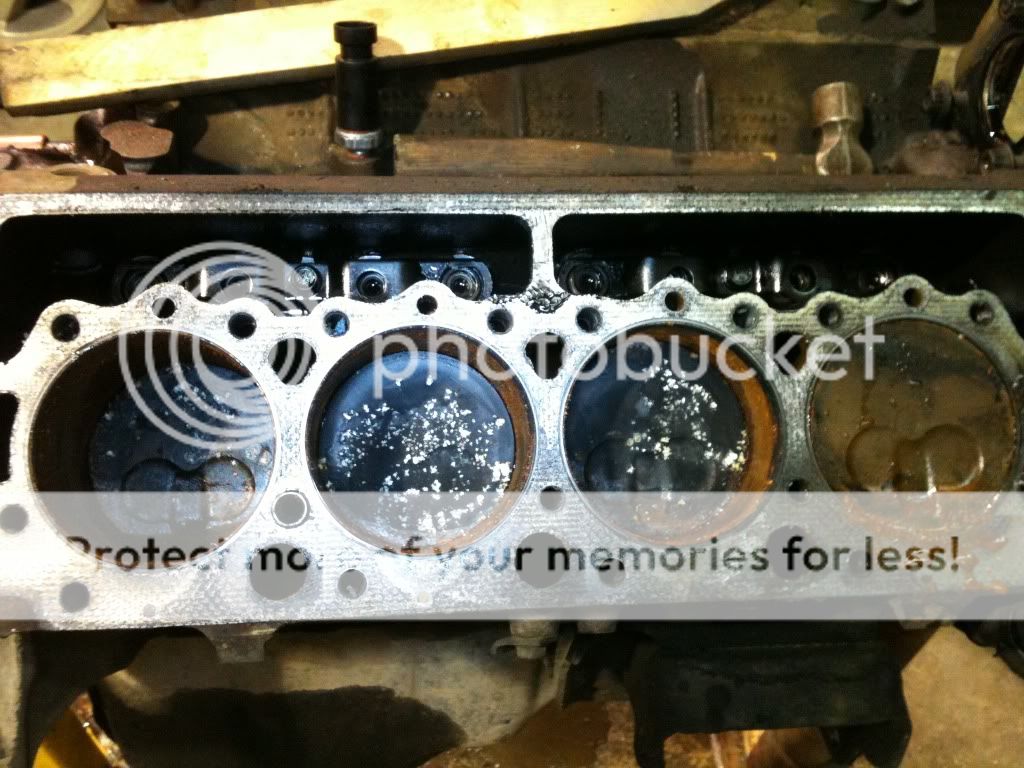
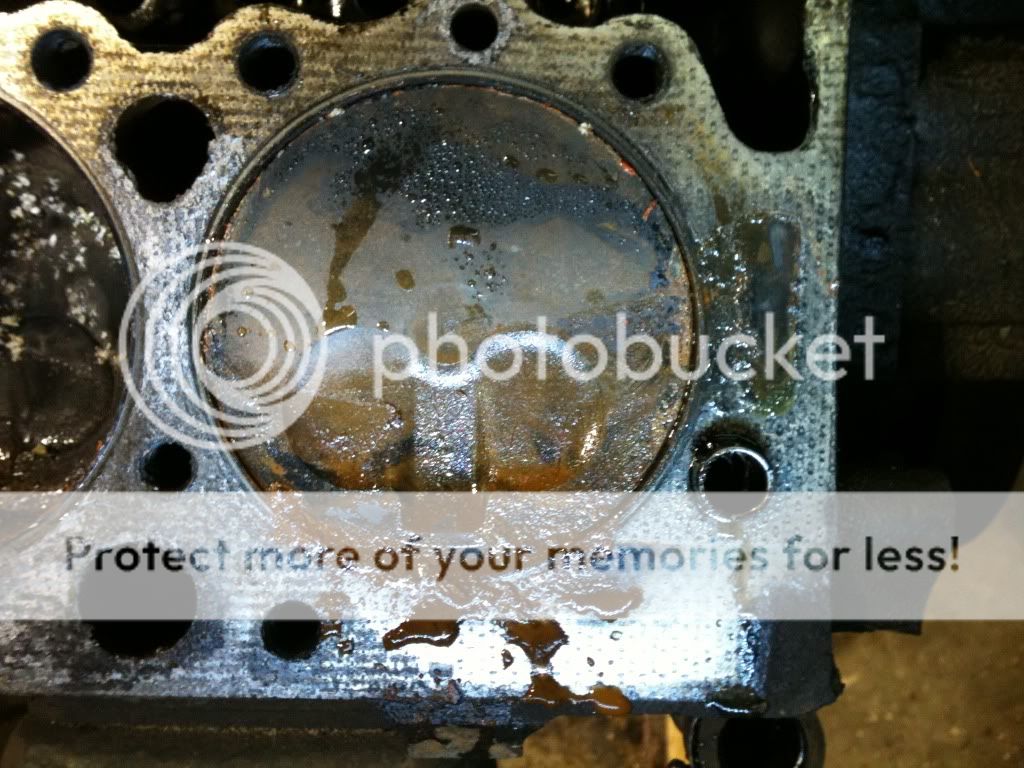
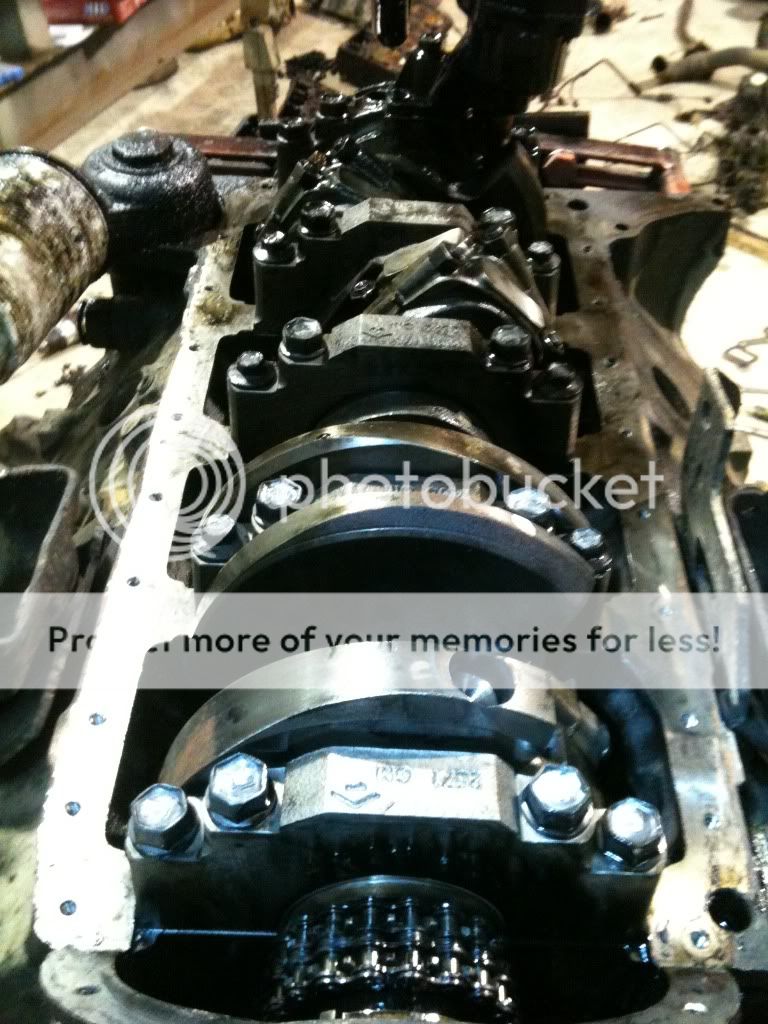
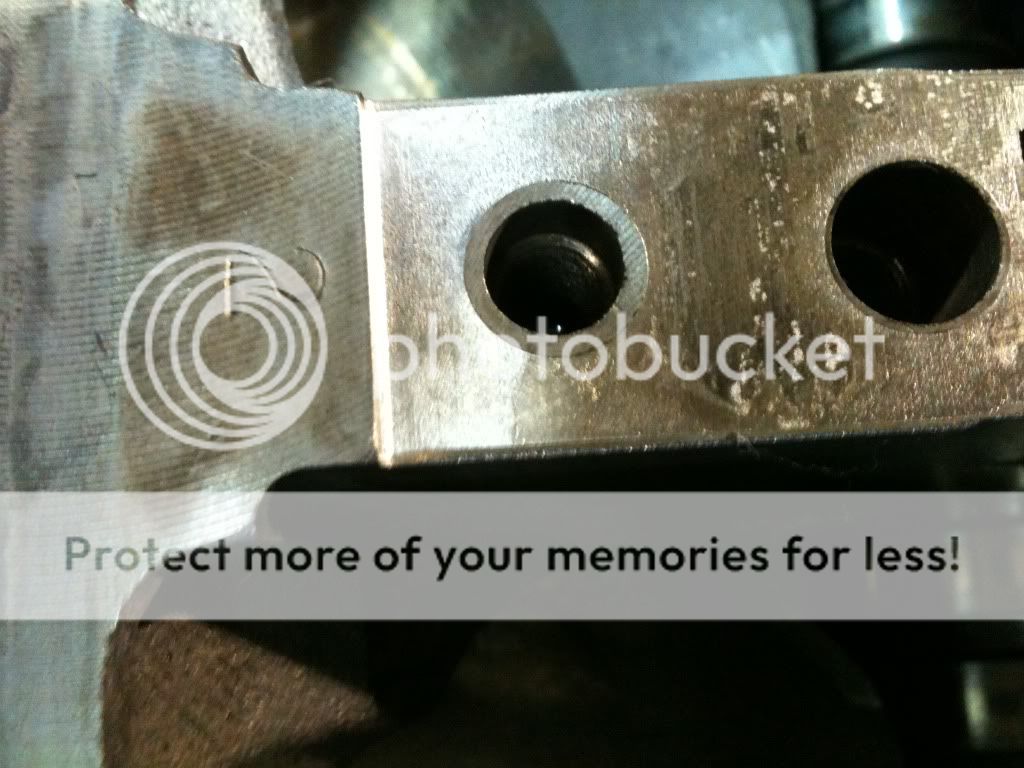
I'd use the 506 if there's no cracking evident.
I'd use it over the 141 because it's a seasoned block that shows no signs of cracking (proven good casting) and you would gain the added advantage of oil cooling jets to the piston crowns.
Have it magnafluxed or LPI'd before sinking any money into machining or parts though.
<Fingers crossed for crack free block>
Make sure you check all the usual areas:
1. Cap bolt holes in the main journal webs that don't extend past the depth of the holes (repairable)
2. Cracks in the cap bolt holes that extend into the main webs (terminal)
3. Cracks in the main cap registers (terminal)
4. Radial cracks in the cylinders, most usually prevalent in passenger rear cylinder at the deck (terminal)
5. Head bolt block holes (jury is out if these are repairable or terminal)
6. Starter mounting holes for cracks or broken off (sometimes terminal, sometimes an irritation)
7. Cracking at the oil jets. May radiate into the webs or cylinders (terminal)
Then there's the heads for cracks between the valve seats. If you do end up chucking the heads out, keep the precombustion chambers. They should be "diamond" chambers in a 2000, the most desirable stock ones. The need to be inspected for cracks around the openings into the cylinder.
There may also be concerns with core shift, warped sealing surfaces, decked block, etc, but that can show up in any rebuilder block. The machine shop (or a straight edge) can check these for you though...