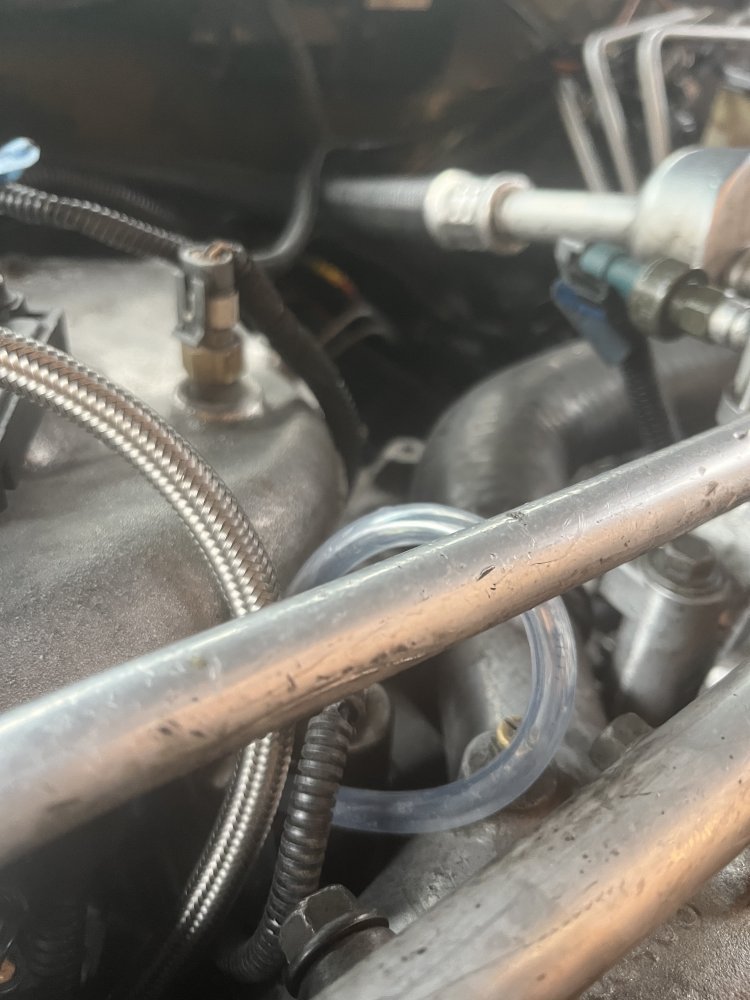
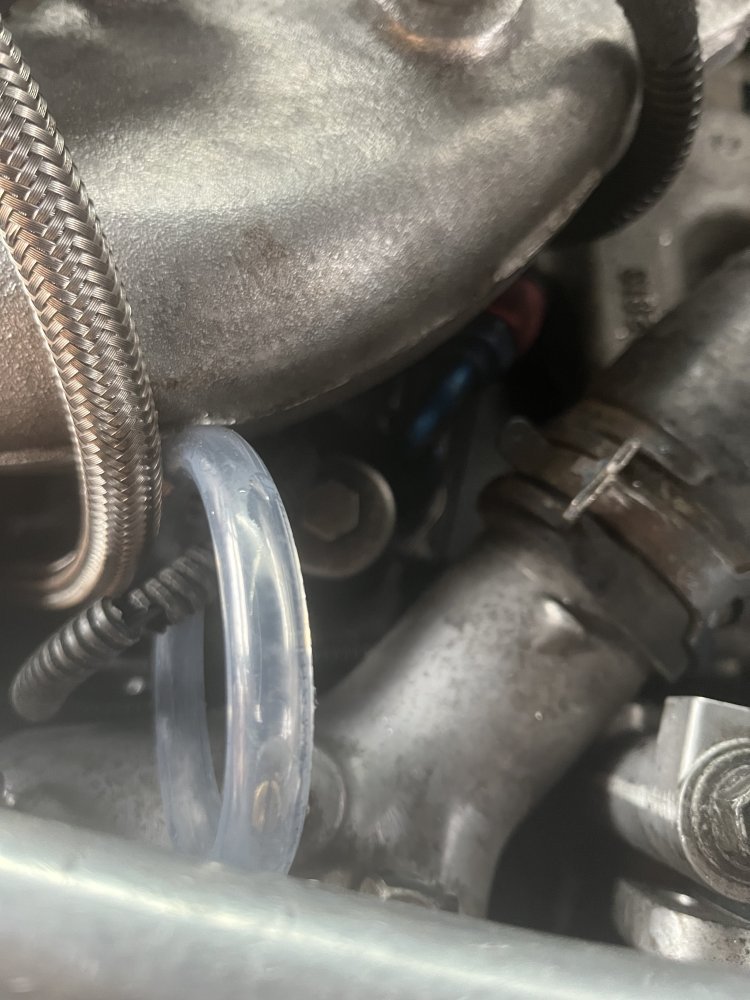
So GM says a quick check on the accessible connections then remove and reinstall the fuel filter. Retest. Still air- then replace the line from ffm to ip with clear. Both lines with bubbles means testing ffm and rearward.
If no bubbles between ffm & ip, but you have bubbles at the ip- the ip is the problem. Check fasteners & fittings on the ip. Still bubbling- pack plahdoe (we had a GM version of it but playdoh works fine) around areas of the ip until the bubbling stops. Replace the appropriate seal. If you can not seal the leak with playdoh- it is likely the main shaft seal and ip needs rebuilding to repair.
If the bubbles are coming out of the ip, disconnect the feed line to the ffm. Install clear line before the ffm and watch for bubbles. — I bet you are seeing a pattern here now….
Yup, just keep adding the clear until you isolate where the bubbles start.
Many times I have wished for a clear rated fuel line that can be used on the entire system. The pvc clear line at hardware stores will fail in a couple years, is subject to early failures from weather. Easily rubs through. Not a good idea to be everywhere.
The clear line from fuel-line.com is rated for the fuel, uv resistant (not uv proof), but is not rated for abrasion like the fat sae30r9 is. So that some lawyer doesn’t sue me I will say permanently replaced black rubber lines with the rated clear stuff isn’t my advice for anyone else. But when MY fuel tank gtes dropped, guess what is going in place of the original. And everywhere else as well. But I will go to great lengths to ensure nothing can rub against it. I will inspect them all frequently.