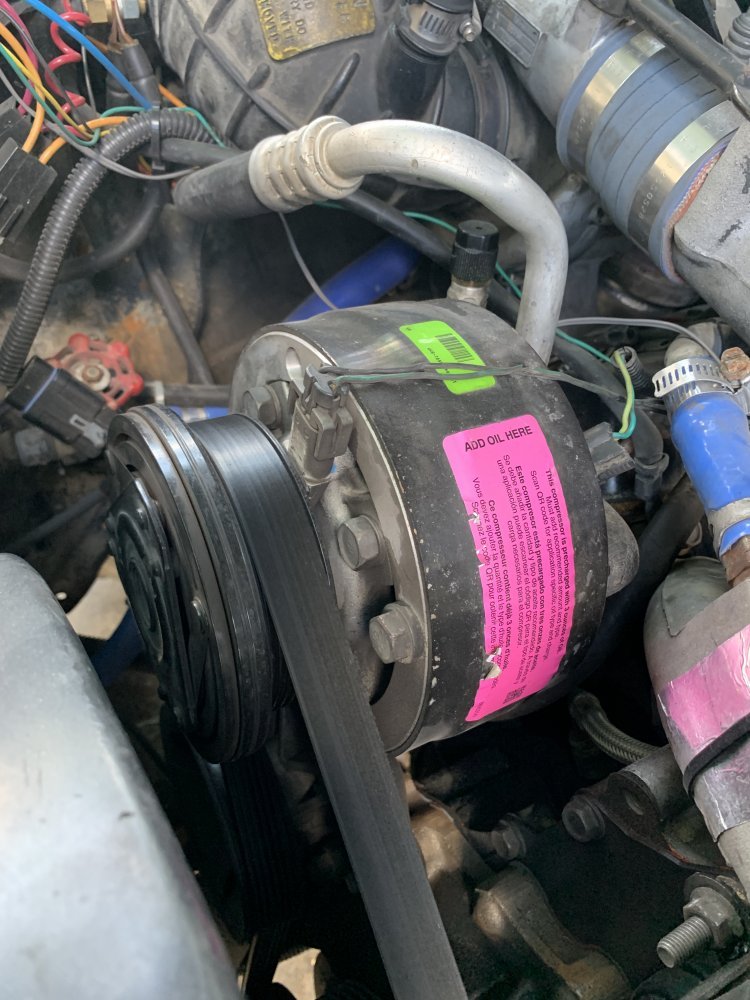
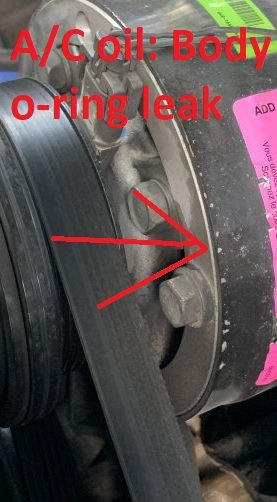
That first link is one I found also. I may go this route when this pancake compressor

's the bed!
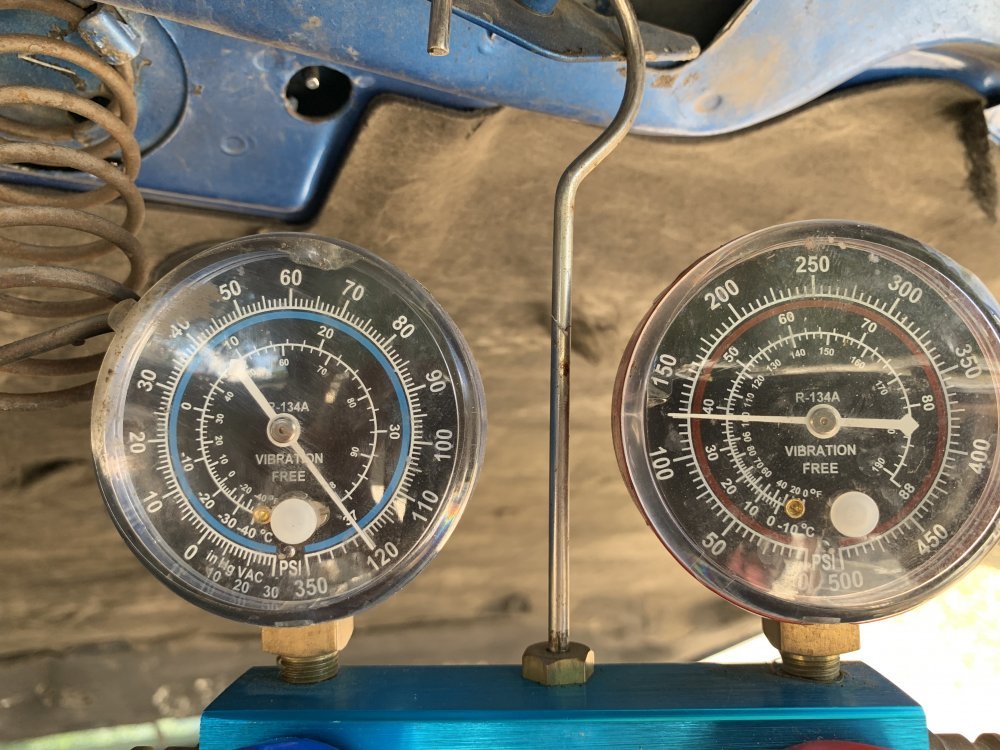
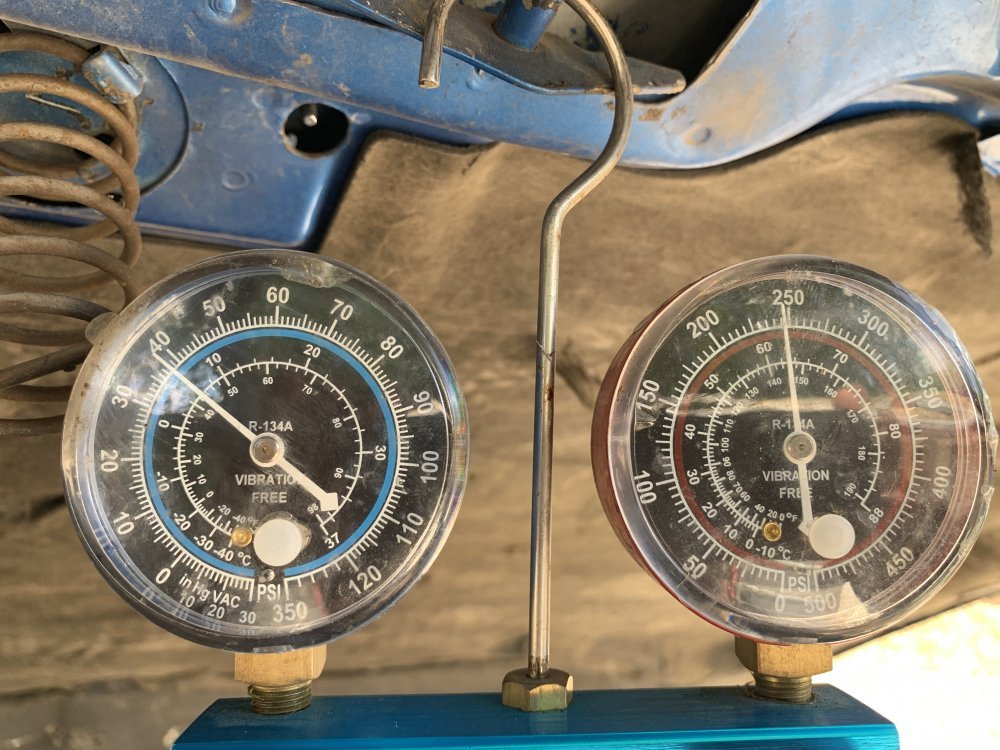
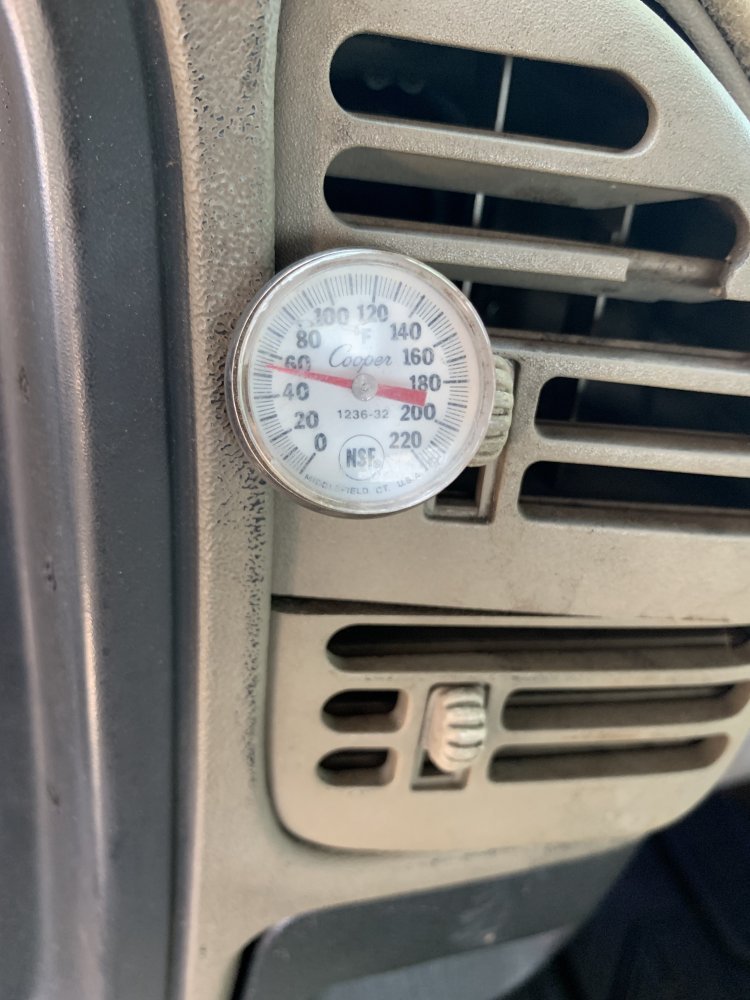
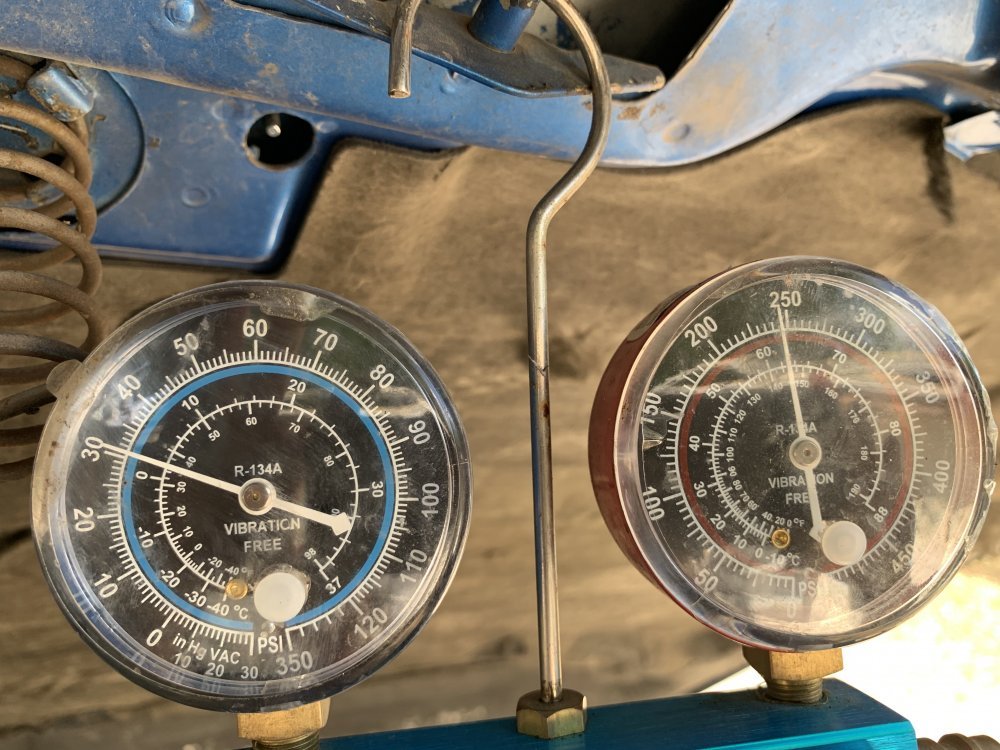
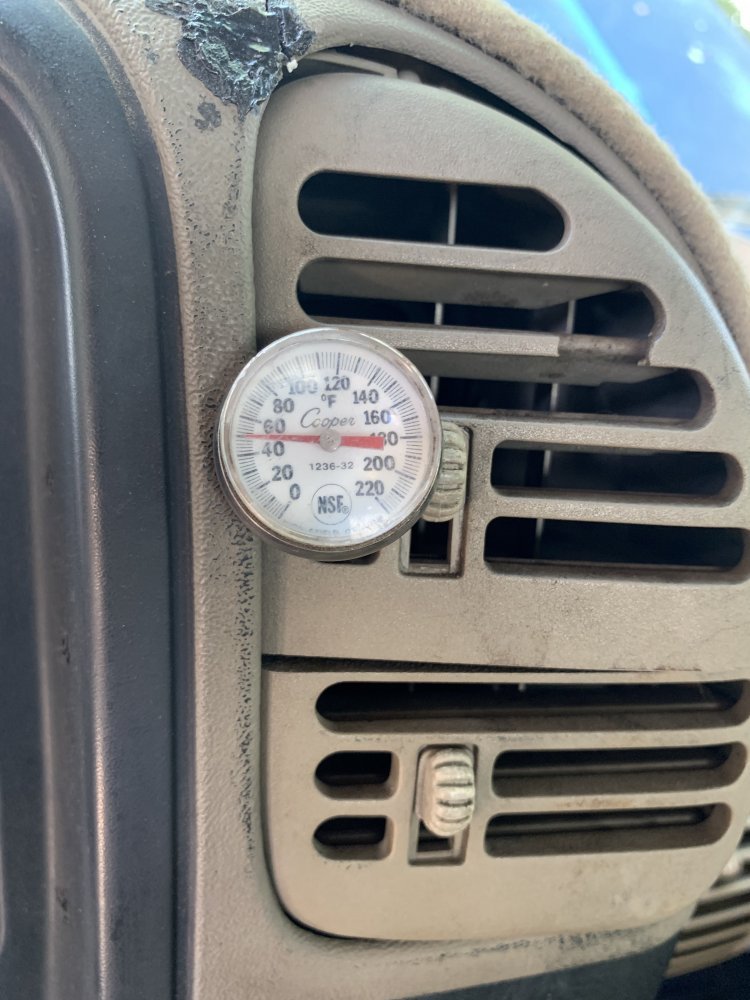
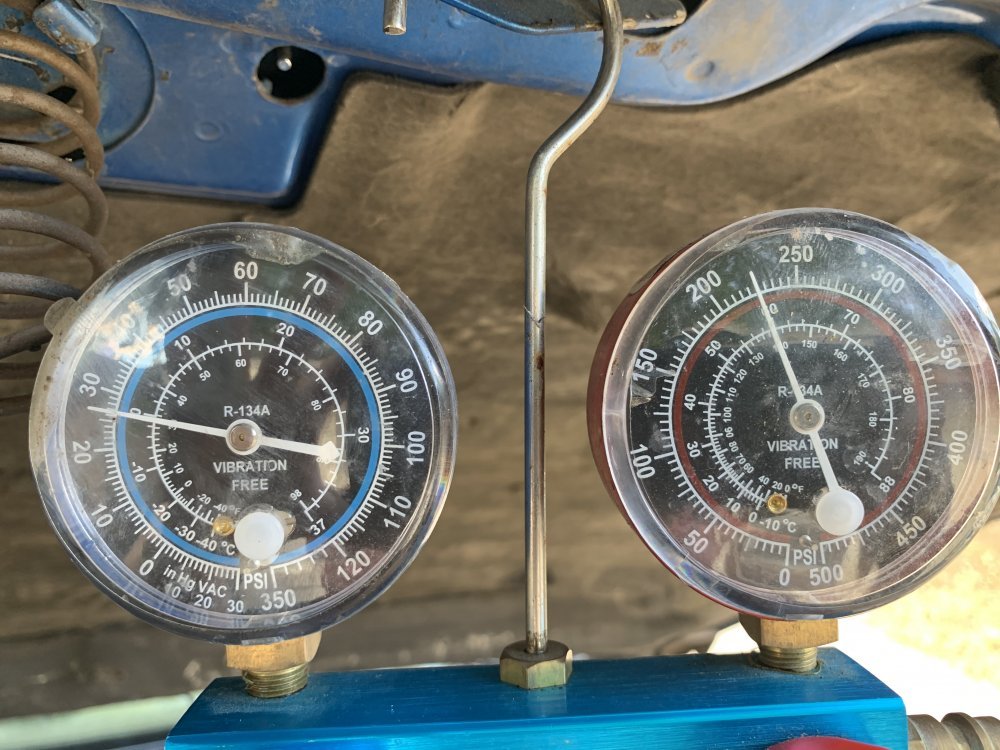
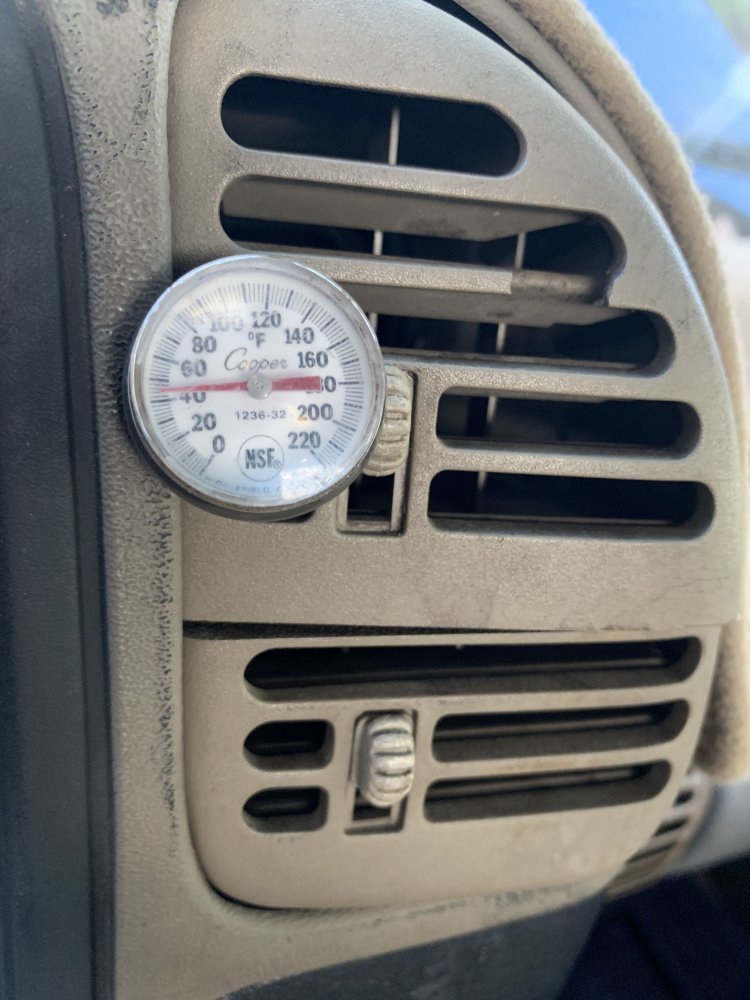
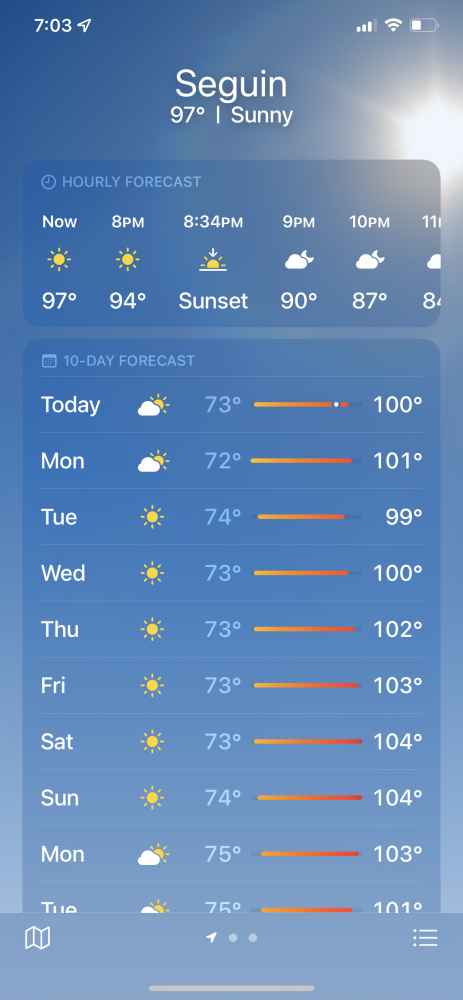
I was searching the web today looking at 134a pressures to vent temps and came across this troubleshooting site (linked below). according to the pressures it shows compared to ambient temps outside, my system is low on 134a although I'm sure it's overcharged with about 40 oz or 3-1/2 cans! with 95-100 degrees outside and rpms up around a grand (high idle switch on) pressures are right at or a hair under 30 low and about 225 high, blower on max. holding at 2k to 2500k rpm will make the compressor begin to cycle dropping the low side down to 26 when the switch turns it off for a second or two.
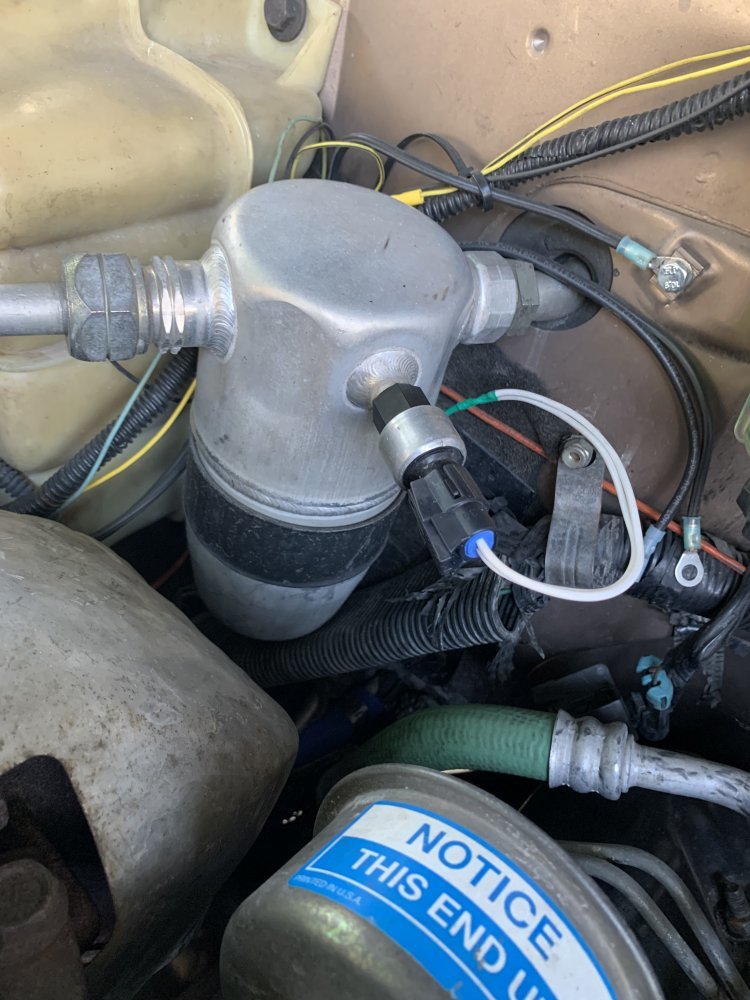
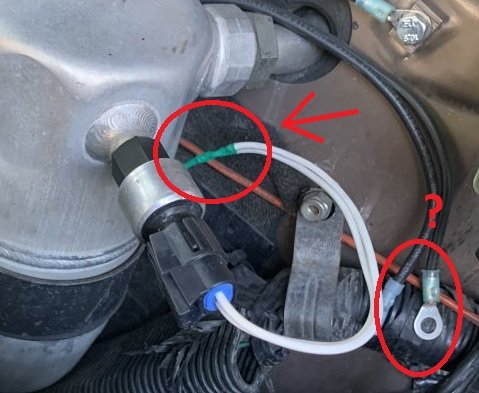
I'm really skiddish of adding any more 134a. I really think there is something up with this vov orifice tube. I am leaning more and more towards evacuating and installing the oem fixed orifice tube then trying it again. only draw back is loosing all that 134a again!
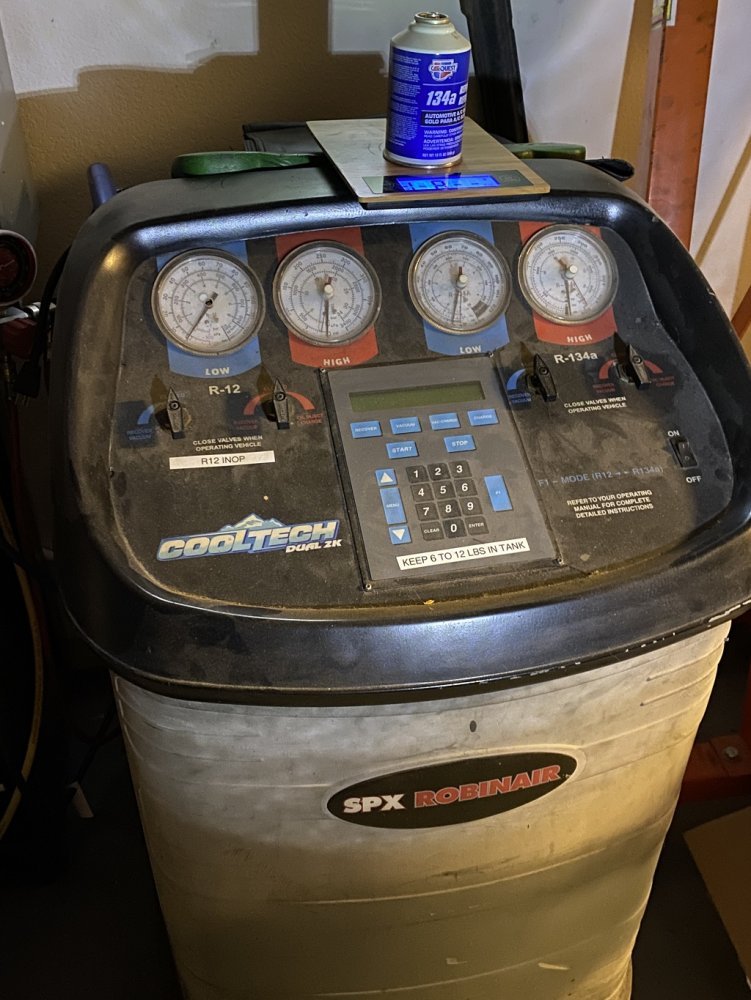
maybe if I can fignagle my vacuum pump with exit port fittings so I can pump it all into a holding tank, plus weighing the tank before and after to see what I really had in there.
here's the link...
Learn why normal AC pressure gauge readings are essential for diagnosing car AC problems. Don't rely on just the low-pressure gauge

ricksfreeautorepairadvice.com
and another link showing a pressure chart confirming my system is low!
Diagrams: System Pressure Chart Get a quick look at what an average A/C system looks like, along with the compressor manufacturer and what the specific R-134a requirements are for your car. R-134a TEMPERATURE PRESSURE CHART (Tabla de Temperaturas y Lecturas) Ambient Temperature °F / °C...

rechargeac.com


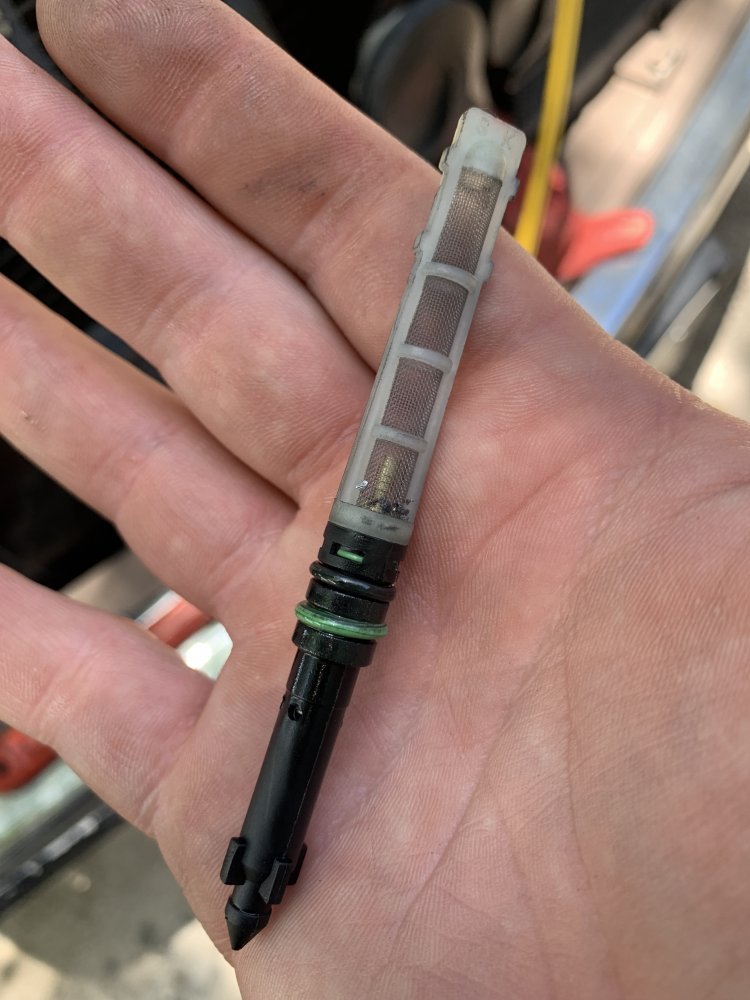


 My bad.