How on earth do you reroute your PCV... and why would you do that?
The PCV creates positive vacuum on the valve covers and literally pulls oil vapor from the valve covers, then pressurizes it and pumps it through the intercooler. In doing so, the oil vapor condenses and makes a huge mess in your IC and the IC tubes and boots. Under heavy acceleration, the mess can cause the boots to blow off, which in turn reduces your engine output drastically. By rerouting the PCV and capping off the turbo inlet with a barstool cap, the engine runs cleaner, the IC won't leak oil everywhere, and the resulting PCV reroute hoses quite often never leak a drop of oil. Some guys report a little oil residue coming from the hose, and some even put an oil capture filter system inline to prevent this from venting to the atmosphere.
Parts:
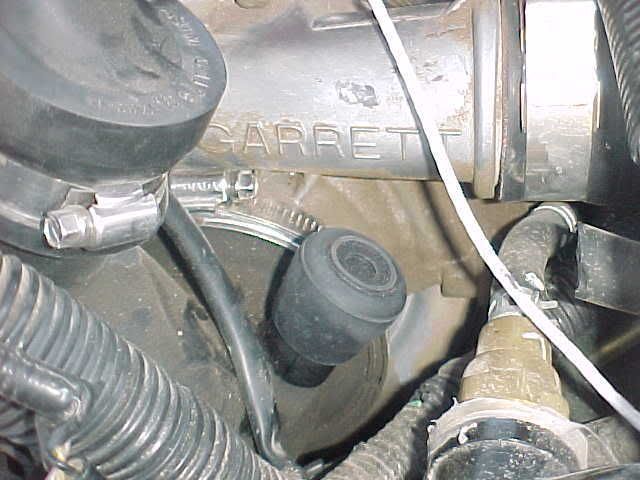
* 1 1” barstool leg cap
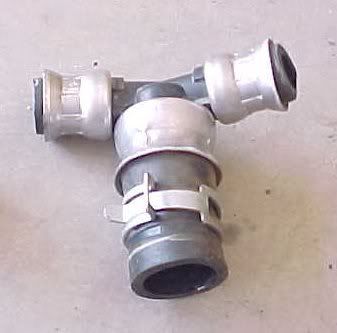
* 3 5/8” pushon king nipples or barbed nipples
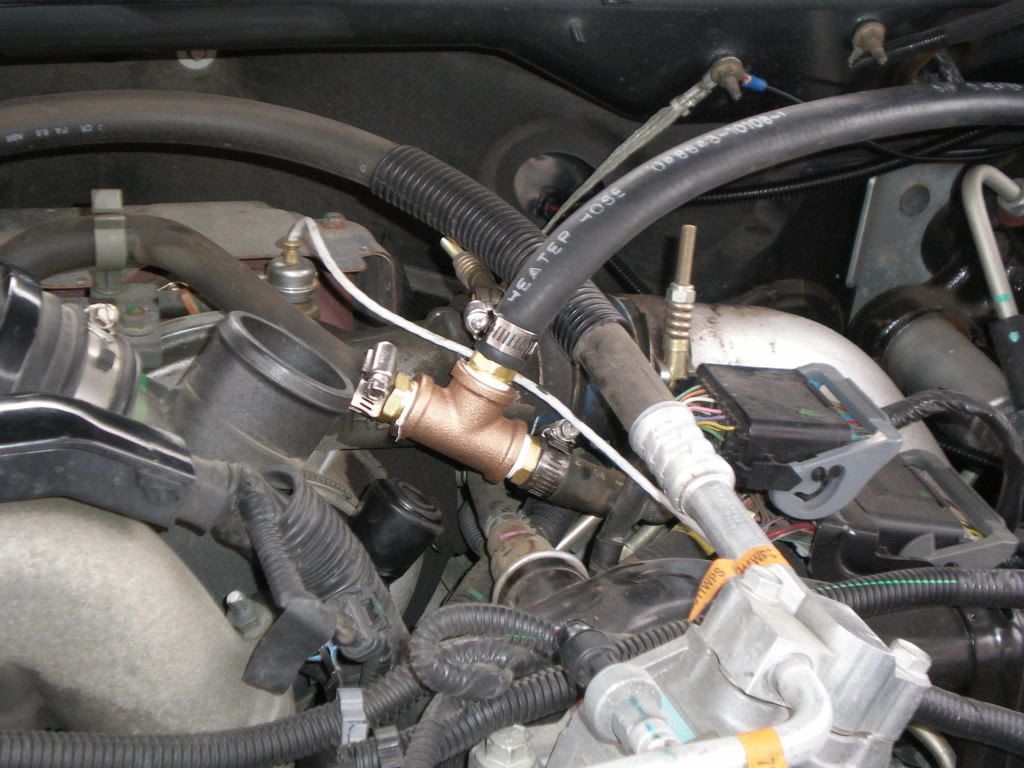
* 1 5/8” T connector
* 3 5/8” hose clamps
* 1 6-7’ 5/8” heater hose
* 2-4 zip ties
* Teflon tape
Tools:
* Regular screwdriver
* Pliers
* Box knife
Here's what to do:
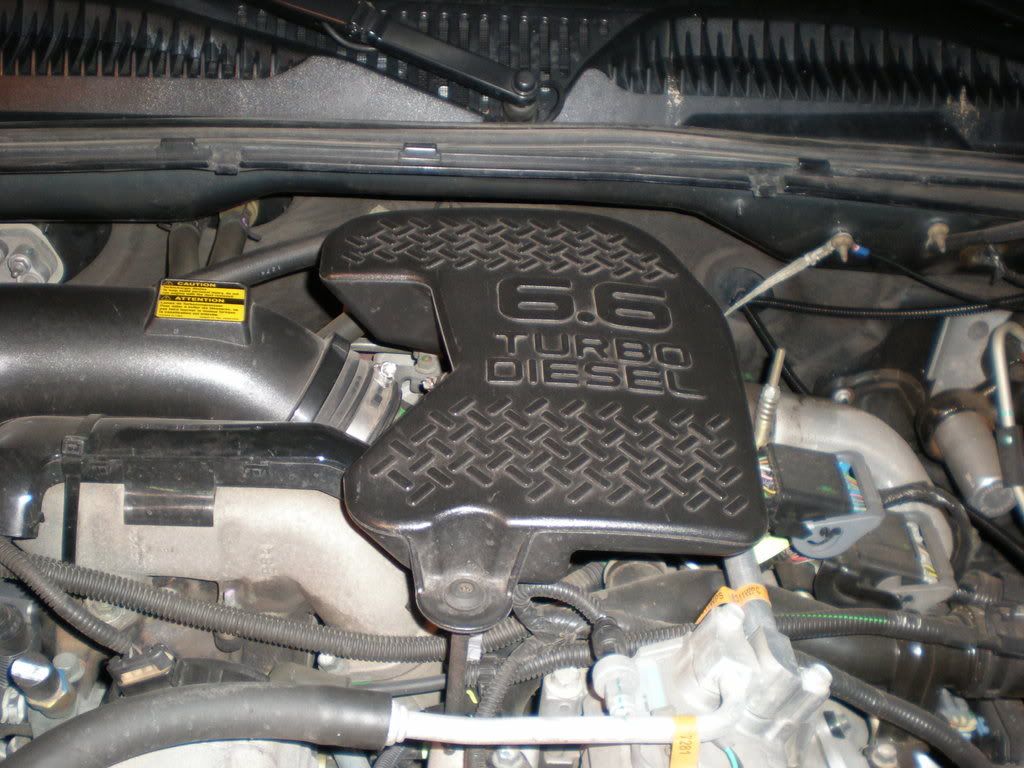
1. Remove the resonator (the 6.6L plastic thing) – one hose clamp to loosen, then remove it and set it aside.
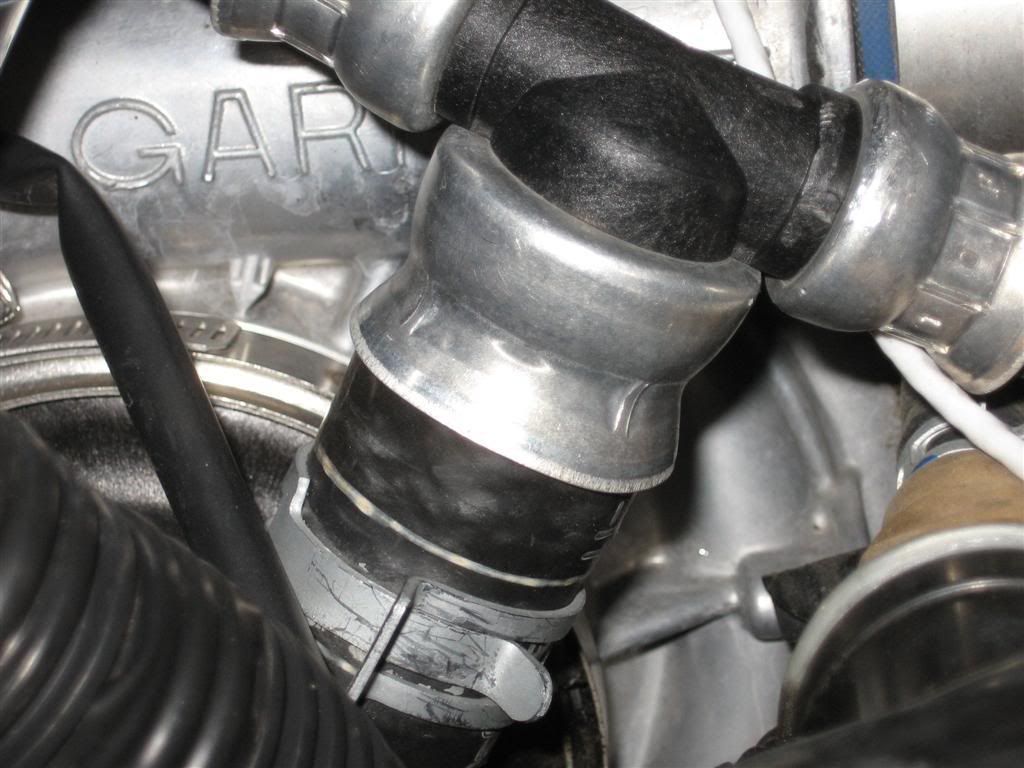
2. With the pliers, grab hold of the clamp on the large hose leading to the turbo, then lift the hose off the turbo inlet.
3. With the box knife, cut the two PCV hoses that lead to the large hose you just pulled off of the turbo inlet. Be sure to cut the PCV hoses as close to the fittings as possible. Once you have it free, throw the fitting you’ve just cut and removed as far as you can.
4. Wind some Teflon tape onto the threads of the barbs and mount into the T connector. Tighten to suit yourself. Take the barstool leg cap and shove it onto the turbo inlet. Since there’s a vacuum, there’s no need to clamp it in place; it’ll stay there.
5. Slide two of the clamps onto the PCV hoses, and then shove the two barbs onto the PCV hoses. Finally tighten down the hose clamps. Take the third hose clamp and slip over one end of the new heater hose. Shove it onto the third barb of the T connector. Tighten the hose clamp. Here’s where I oriented my T assembly upright, so that any actual oil would remain in the hoses and hopefully wind back up in the engine rather than down the heater hose. Everyone does this different, but I don’t think it matters much.
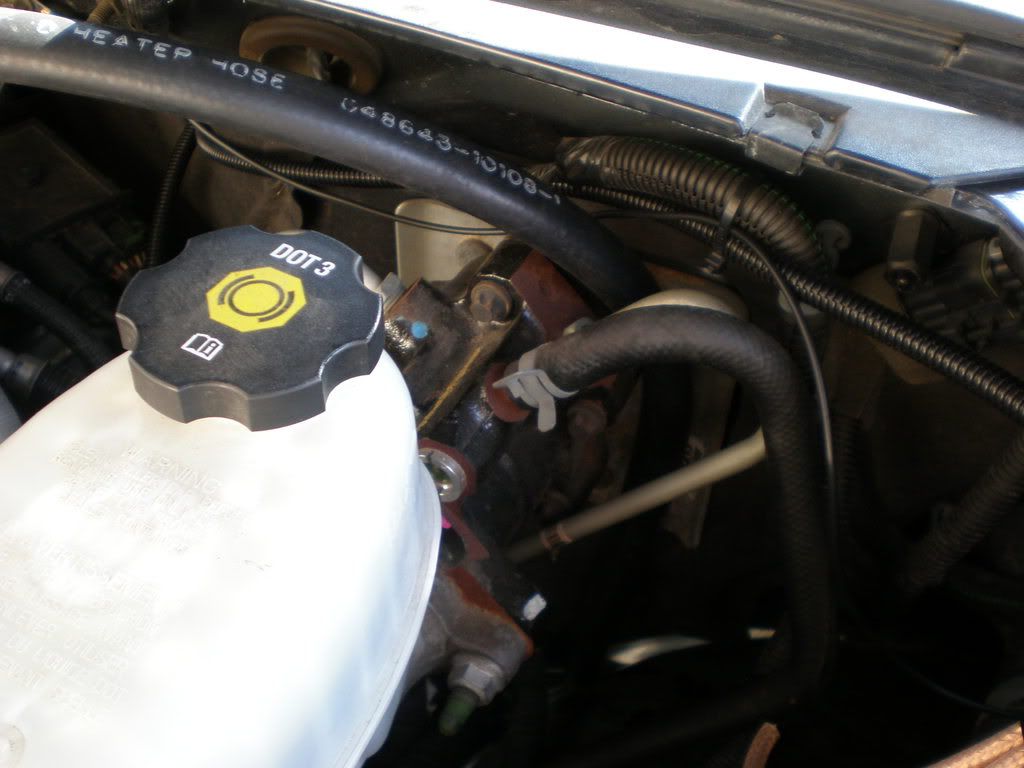
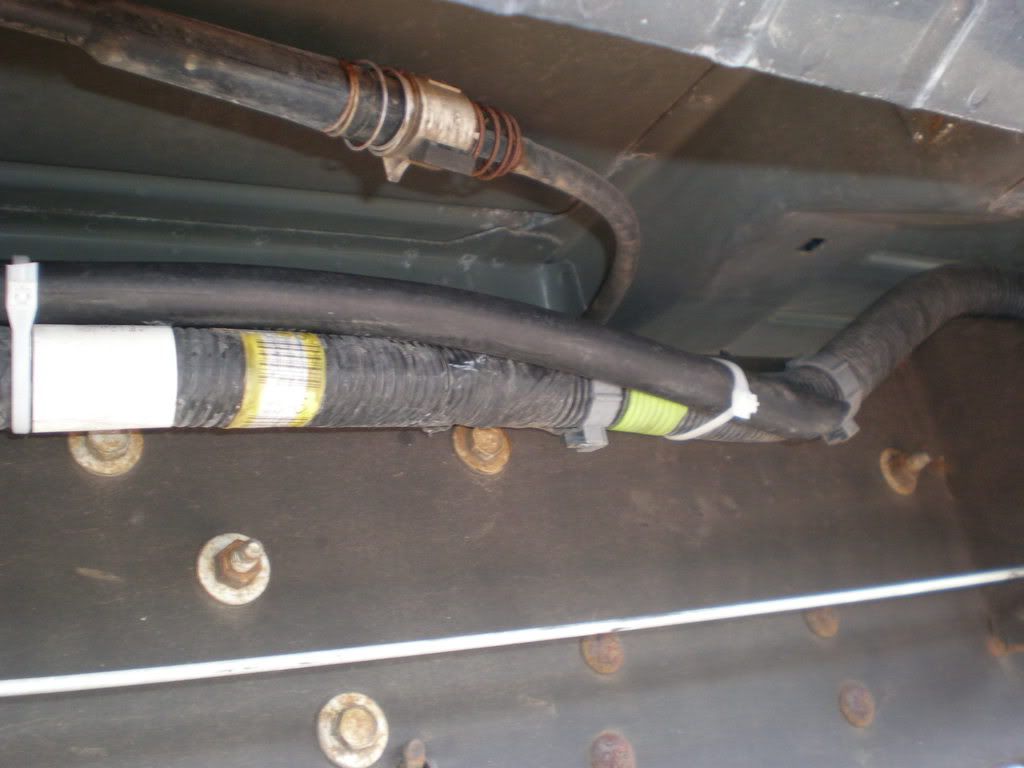
6. Routing the hose is up to you, but I ran it over to the back side of the driver side wheel well and then down along the frame. Make sure that you cut the end of the heater hose at an angle so it won’t become clogged with mud or ice (or anything else).
7. Run the hose along your frame, using the zip ties to hold it in place against the wiring harness.
Replace the resonator and you’re done. BTW, if you’ve not already done so, get a 2” plumber’s test plug, and block off the resonator. You can do this and still replace the resonator over it so it looks like stock.
That's it. My thanks to LarryJewel and SweetDiesel for a couple of pics I didn't have; the rest are mine.