• Welcome to The Truck Stop! We see you haven't REGISTERED yet.

    Your truck knowledge is missing!
    • Registration is FREE , all we need is your birthday and email. (We don't share ANY data with ANYONE)
    • We have tons of knowledge here for your diesel truck!
    • Post your own topics and reply to existing threads to help others out!
    • NO ADS! The site is fully functional and ad free!
    CLICK HERE TO REGISTER!

    Problems registering? Click here to contact us!

    Already registered, but need a PASSWORD RESET? CLICK HERE TO RESET YOUR PASSWORD!

1994 K3500 extended cab dually

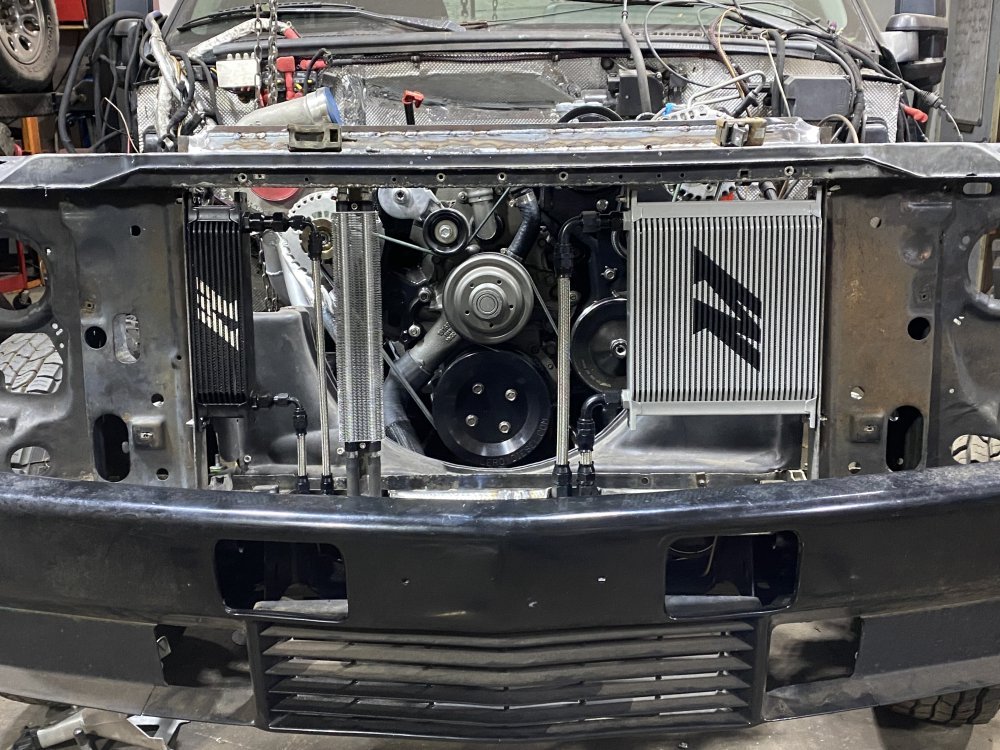
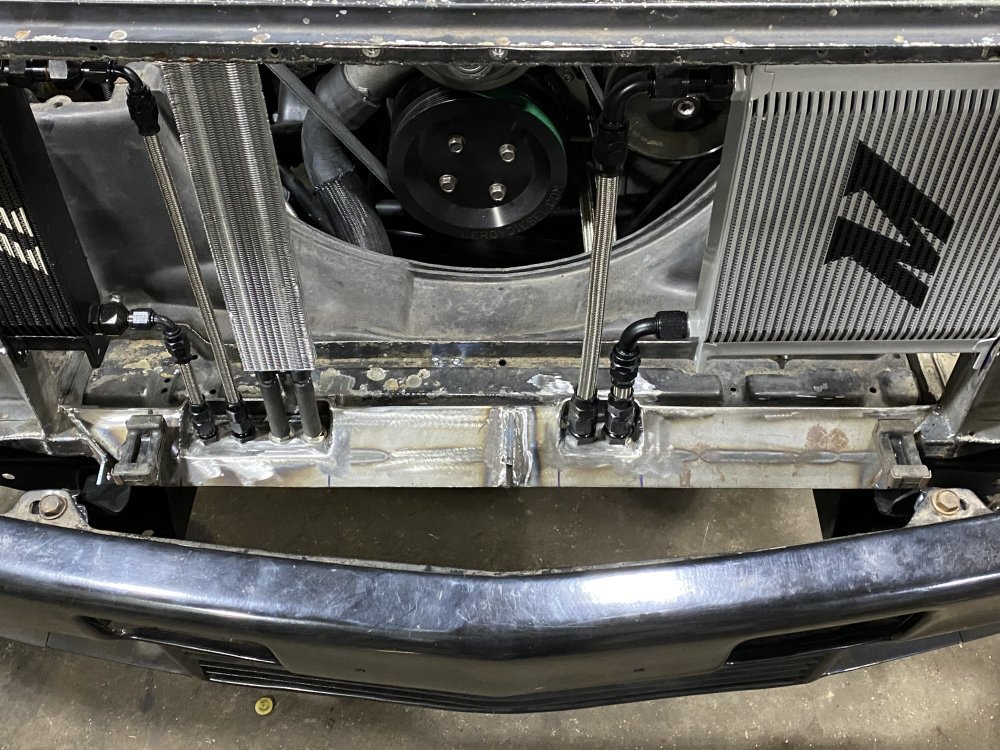
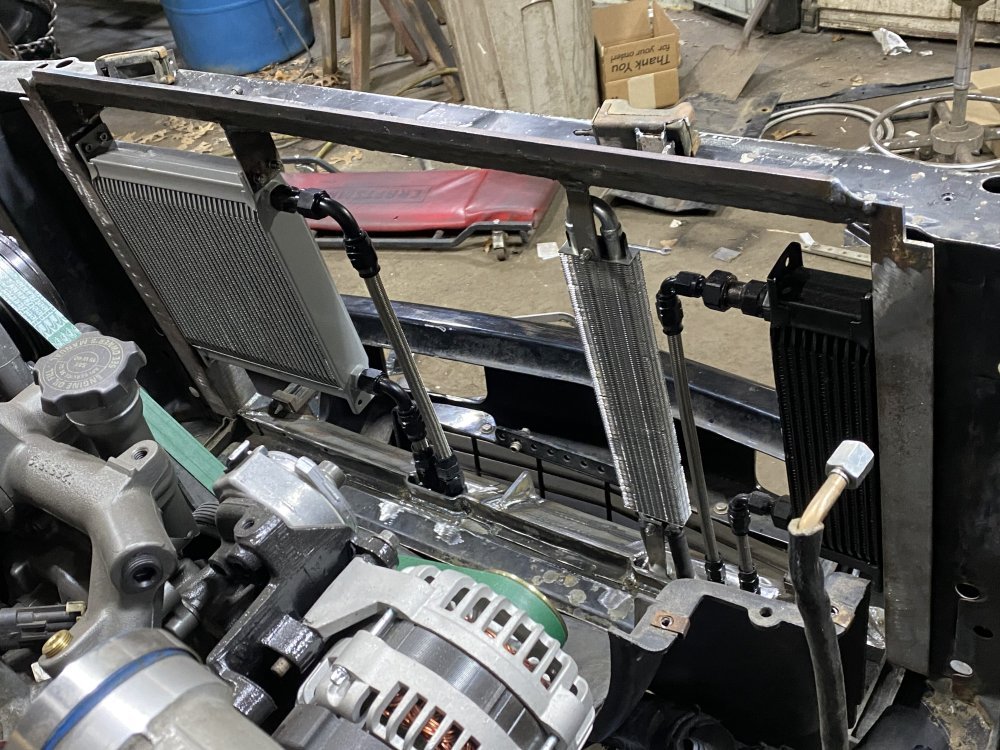
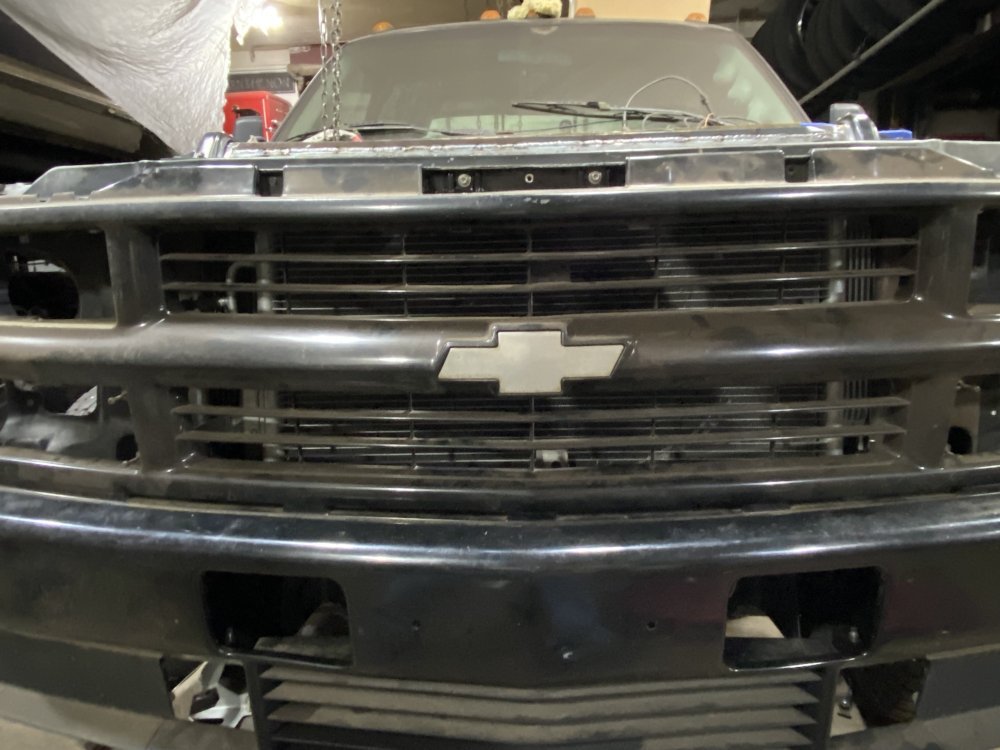
I finally have the cooling stack mock-up done.

My goals were to:
1. Seal the radiator to the core support.
2. Improve airflow through the cooling stack.
3. Flip the AC condenser and trans/engine oil cooler orientation in the stack.

Point 3 is odd, but my thought here was that air conditioning is optional, but the oil coolers are not. My rationale is if it’s a hot day, but the fluids are running fine, the AC condenser is getting max cooling and the powertrain is also happy as well as me in the cool cab. But, if it’s a hot day and the powertrain is also running hot, I can turn off the AC and reduce heat that is being put into the cooling stack. Solid reasoning? Not sure, but I wanted to roll with it.

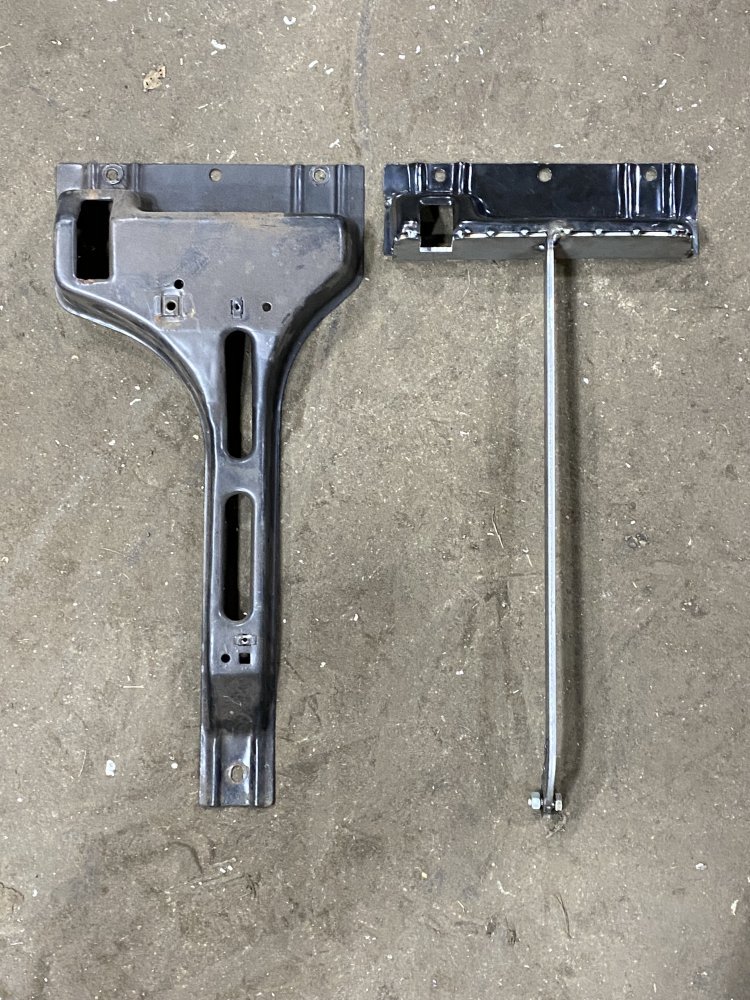
To execute goals 1 and 2, I cut out unnecessary metal so the radiator core wasn’t obscured at all and then added new metal for rigidity and to also help airflow into the core, as well as give a surface to seal the core support to the perimeter of the radiator core. I also modified the hood latch brace so it impeded airflow less.

It was hard to show details in pictures, but here are a couple.
IMG_3032.jpegIMG_3040.jpegIMG_3042.jpegIMG_3043.jpegIMG_3044.jpegIMG_3026.jpegIMG_3047.jpeg

Since the pics weren’t turning out great, I also took some videos to explain my mods better and show how I did them. They ended up longer than I expected them to be. Part 1 is more of a macro video - what I’m doing and why and the overall picture. Part 2 had some parts removed so details can be better seen.

Part 1

Part 2

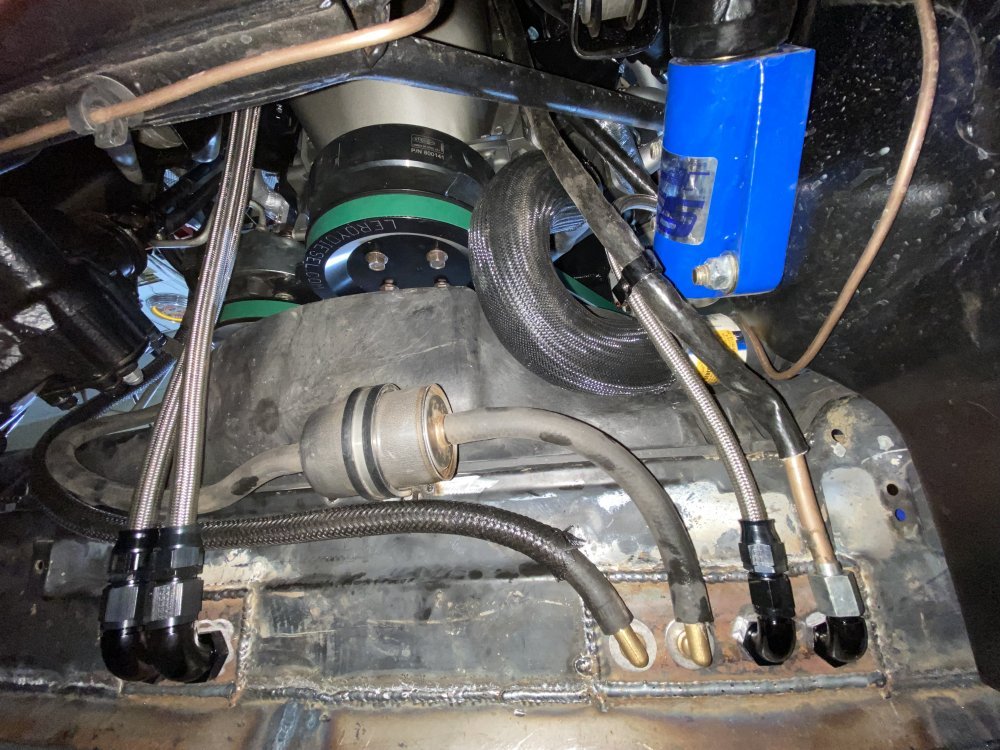
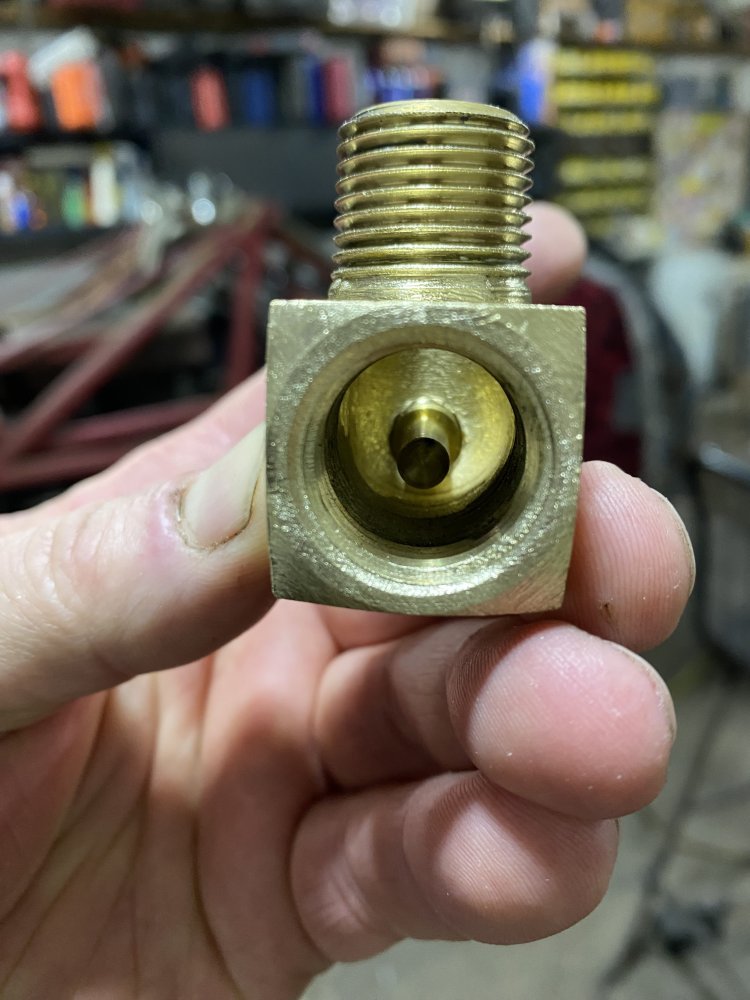
One last thing is I incorporated an engine oil temperature gauge sender into a 90 degree fitting where the oil cooler feed leaves the block. I looked at the oil circuit diagram and this was the best location for me to get an accurate reading since it always has oil flowing through it and it’s the first place that’s accessible after the oil pump, so the oil should be at its hottest. I wish I had the forethought to add a bung to the oil pan, but I didn’t, so this should be the next best thing. I also ported the fitting a little to make sure flow wasn’t impeded any.

IMG_3045.jpegIMG_2997.jpegIMG_2998.jpeg

This whole venture may be overkill, and maybe won’t have any improvement over stock at all, but it was an idea in my head and figured I might as well act on it while I’m this far into the truck. I’m hoping that making it easier for air to enter, and the air to exit through the fender heat extractor vents helps to keep me always running cool.
 
I finally have the cooling stack mock-up done.

My goals were to:
1. Seal the radiator to the core support.
2. Improve airflow through the cooling stack.
3. Flip the AC condenser and trans/engine oil cooler orientation in the stack.

Point 3 is odd, but my thought here was that air conditioning is optional, but the oil coolers are not. My rationale is if it’s a hot day, but the fluids are running fine, the AC condenser is getting max cooling and the powertrain is also happy as well as me in the cool cab. But, if it’s a hot day and the powertrain is also running hot, I can turn off the AC and reduce heat that is being put into the cooling stack. Solid reasoning? Not sure, but I wanted to roll with it.

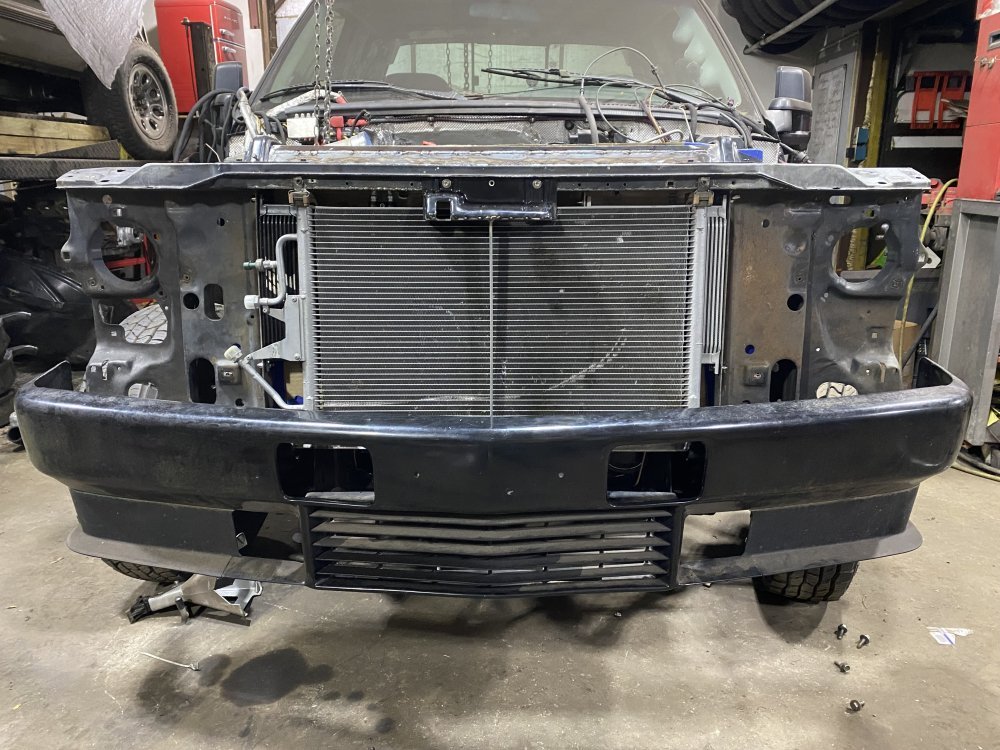
To execute goals 1 and 2, I cut out unnecessary metal so the radiator core wasn’t obscured at all and then added new metal for rigidity and to also help airflow into the core, as well as give a surface to seal the core support to the perimeter of the radiator core. I also modified the hood latch brace so it impeded airflow less.

It was hard to show details in pictures, but here are a couple.
View attachment 97602View attachment 97603View attachment 97604View attachment 97605View attachment 97606View attachment 97611View attachment 97608

Since the pics weren’t turning out great, I also took some videos to explain my mods better and show how I did them. They ended up longer than I expected them to be. Part 1 is more of a macro video - what I’m doing and why and the overall picture. Part 2 had some parts removed so details can be better seen.

Part 1

Part 2

One last thing is I incorporated an engine oil temperature gauge sender into a 90 degree fitting where the oil cooler feed leaves the block. I looked at the oil circuit diagram and this was the best location for me to get an accurate reading since it always has oil flowing through it and it’s the first place that’s accessible after the oil pump, so the oil should be at its hottest. I wish I had the forethought to add a bung to the oil pan, but I didn’t, so this should be the next best thing. I also ported the fitting a little to make sure flow wasn’t impeded any.
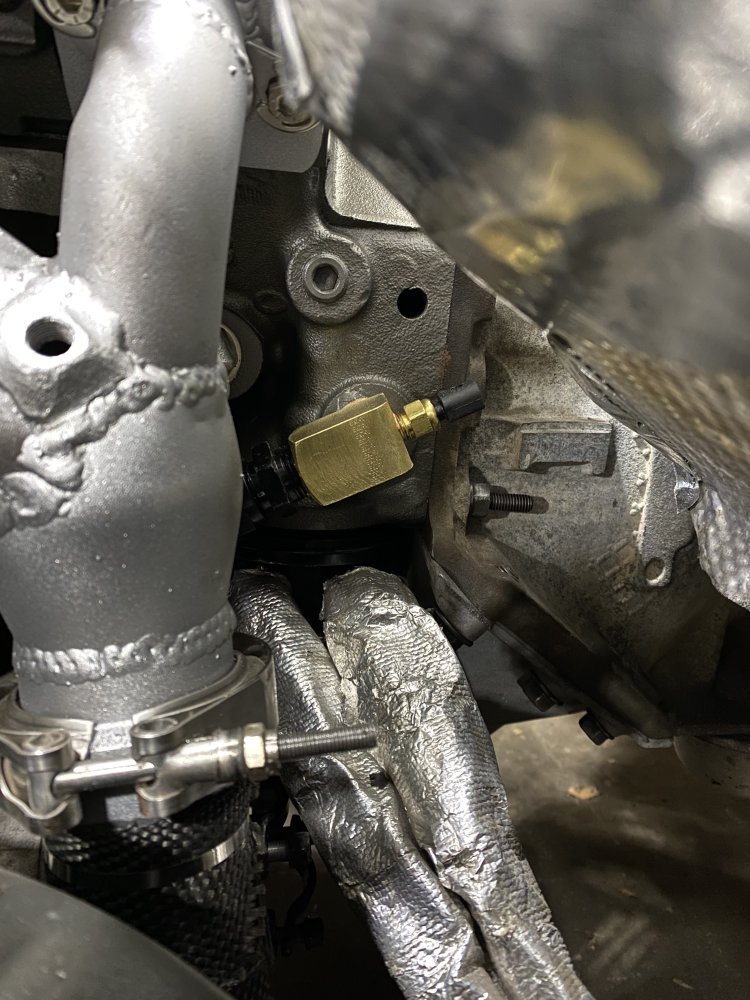
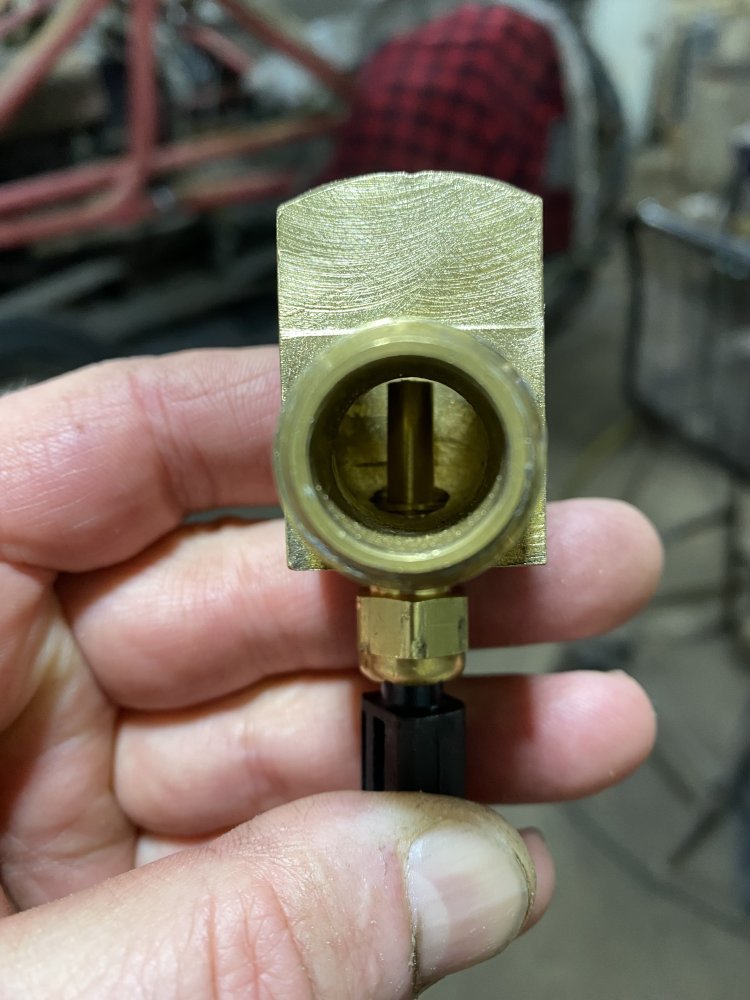
View attachment 97607View attachment 97609View attachment 97610

This whole venture may be overkill, and maybe won’t have any improvement over stock at all, but it was an idea in my head and figured I might as well act on it while I’m this far into the truck. I’m hoping that making it easier for air to enter, and the air to exit through the fender heat extractor vents helps to keep me always running cool.
There are bulkhead fittings. Bore a hole through the oil pan, select a suitable nylon gasket for the bulkhead fitting then secure it to the pan and add a temperature sensor to the bulkhead fitting.
 
There are bulkhead fittings. Bore a hole through the oil pan, select a suitable nylon gasket for the bulkhead fitting then secure it to the pan and add a temperature sensor to the bulkhead fitting.
Thank you. Yeah, it isn't the attaching that worries me.....it's the drilling into the oil pan that I don't want to do. I don't want to risk getting any shavings into the engine. I know I could try coating the bit with grease, or some other tricks, but it just isn't worth it to me to risk it at all.
 
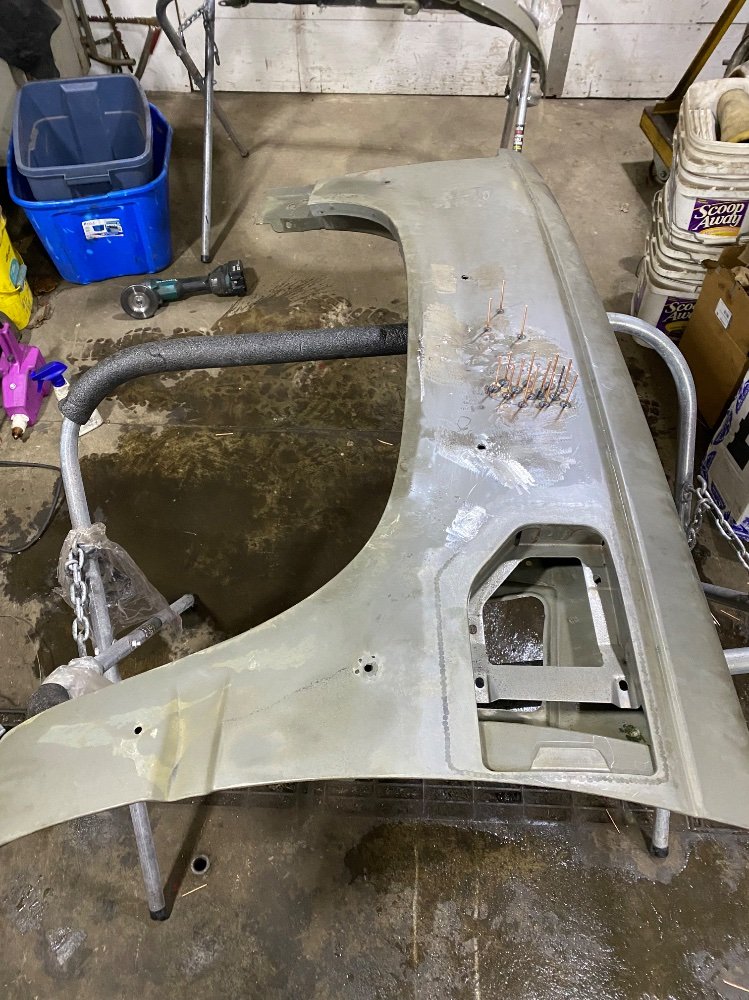
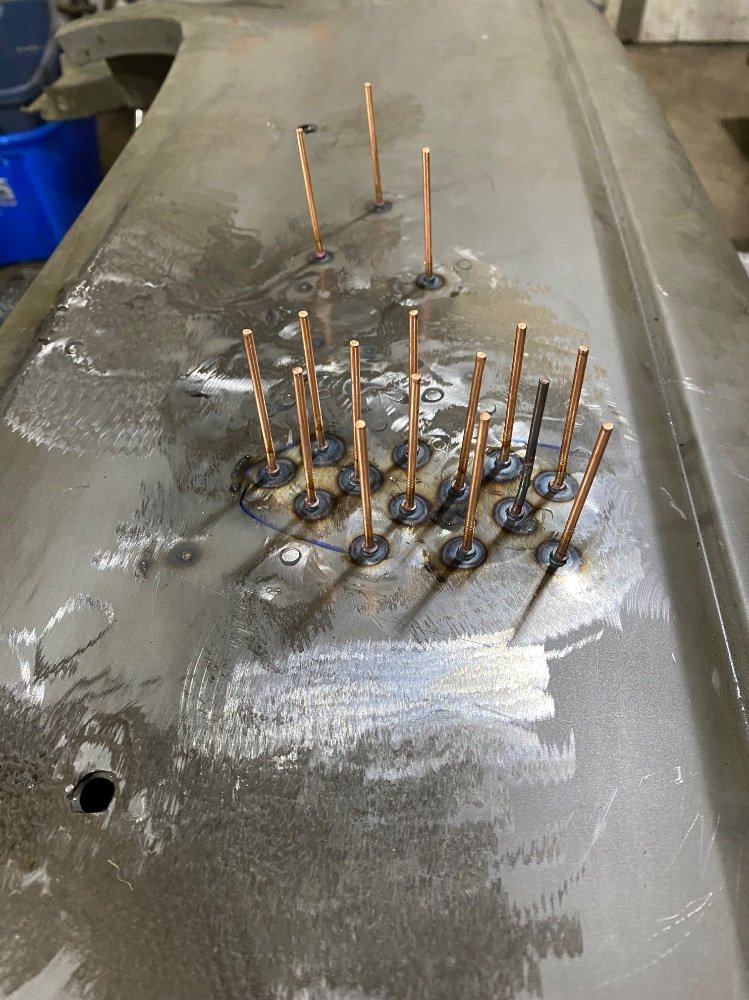
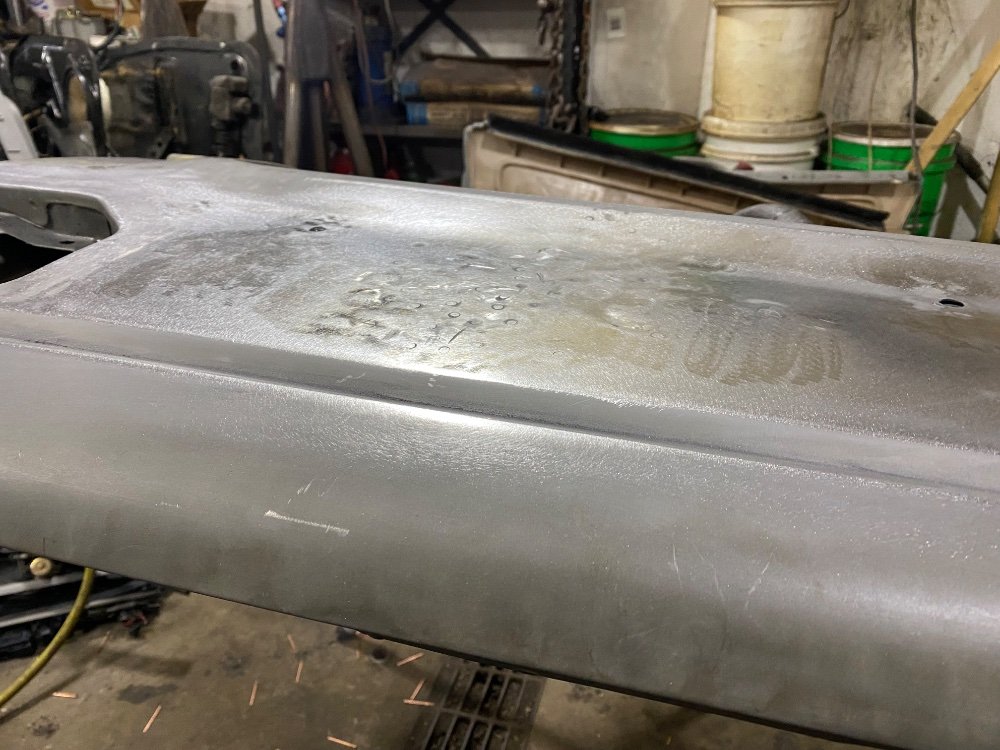
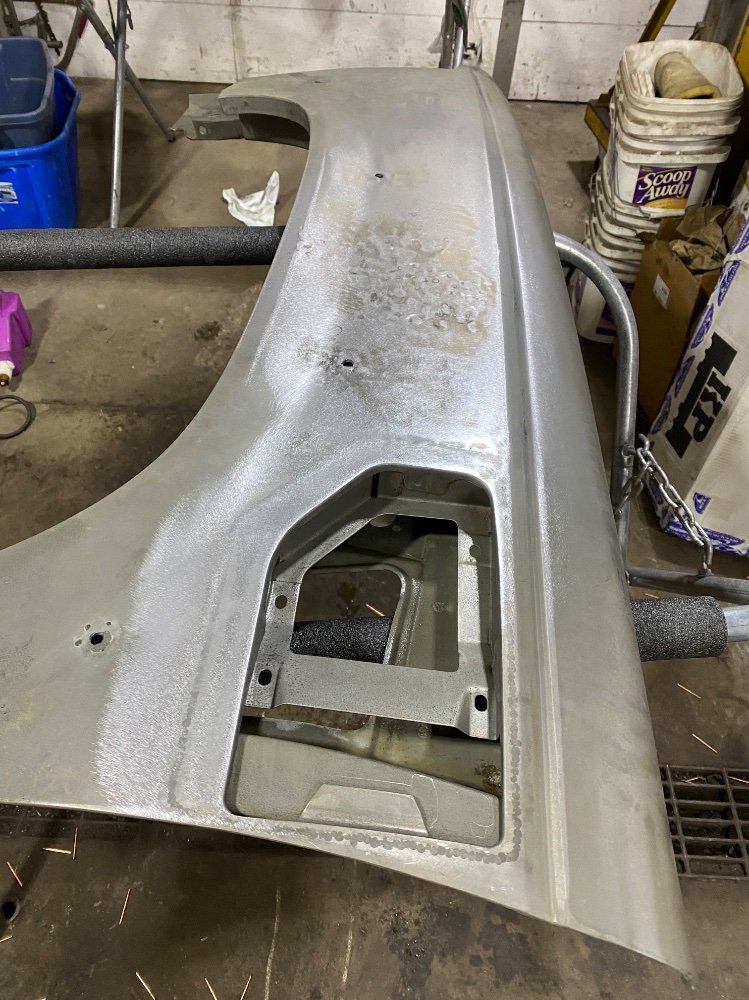
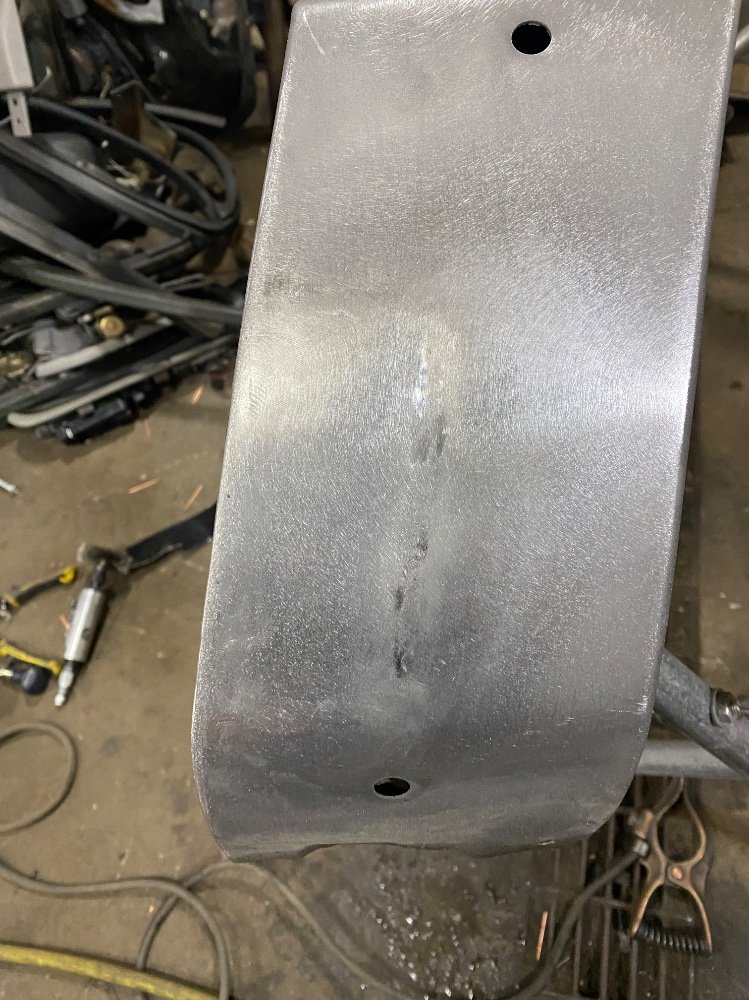
Last week I had the fenders and the radiator support acid dipped to remove the paint and rust. This uncovered a big dent in the driver side fender. I forgot to take a “before” pic, but after some time with the stud welder, slide hammer and shrinking disc I got it decent. It’s still a little low overall, but will turn out nice with a little filler.

IMG_3730.jpegIMG_3731.jpegIMG_3738.jpegIMG_3739.jpeg

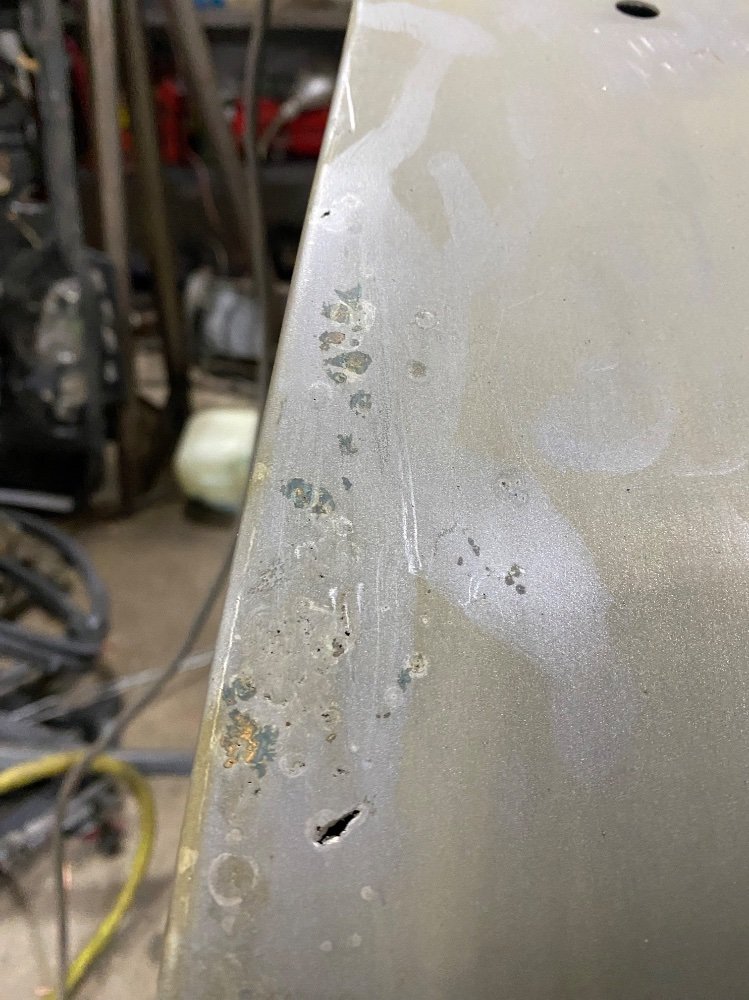
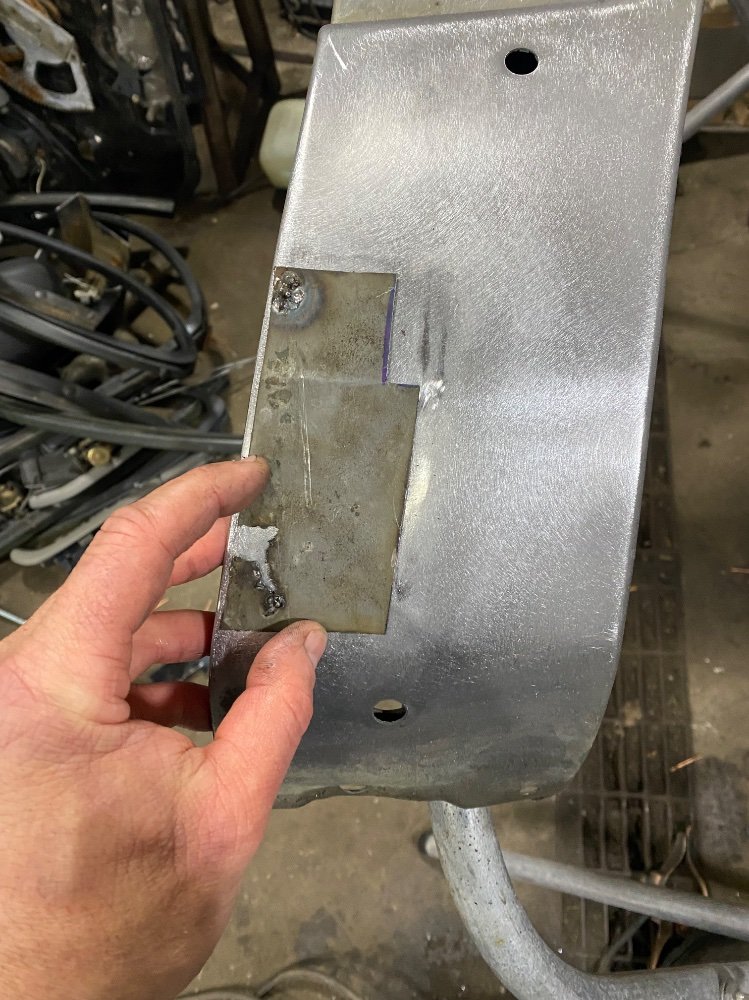
Then the passenger side fender had some rust pin holes show up. I thought I could just zap them with the MIG, but the metal just blew away once I started doing that. It was as thing as tissue paper there! So I had to cut a chunk out and weld in a patch.

IMG_3740.jpegIMG_3742.jpegIMG_3741.jpeg

Now the fenders and radiator support are ready to go to e-coat.
 
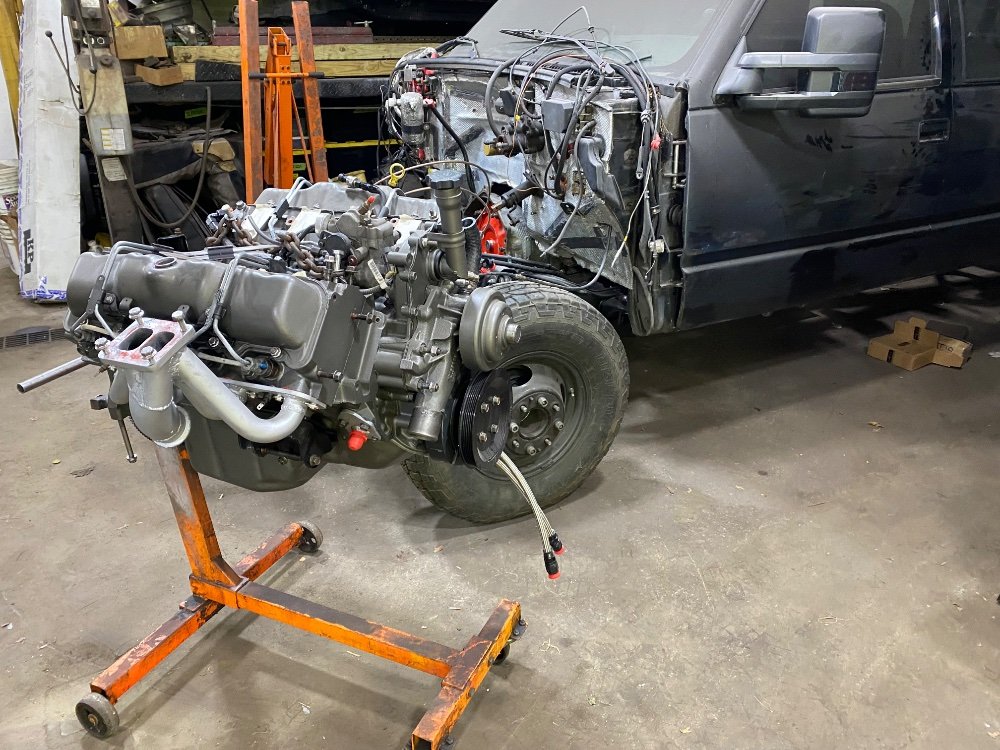
I pulled the engine back out of the truck.

IMG_3852.jpeg

I pulled it because I wanted to change the torque converter. The converter I put in it previously was War Wagon’s 2400 stall Yank converter that he had in Patch. It would have likely worked fine, but I was worried it was a little too much stall for this combo and how I will use the truck. The converter that was in it when it was running before was a heavy duty diesel converter from Hughes, but that one stalled way too low - it was stalling at like 1400 and made taking off from a stop tricky without a huge smoke show……not to mention it just sucked waiting the extra time to get the turbo to light. I wanted something kind of in-between, plus with what I have planned for the green Tahoe, the Yank will be perfect for that application.

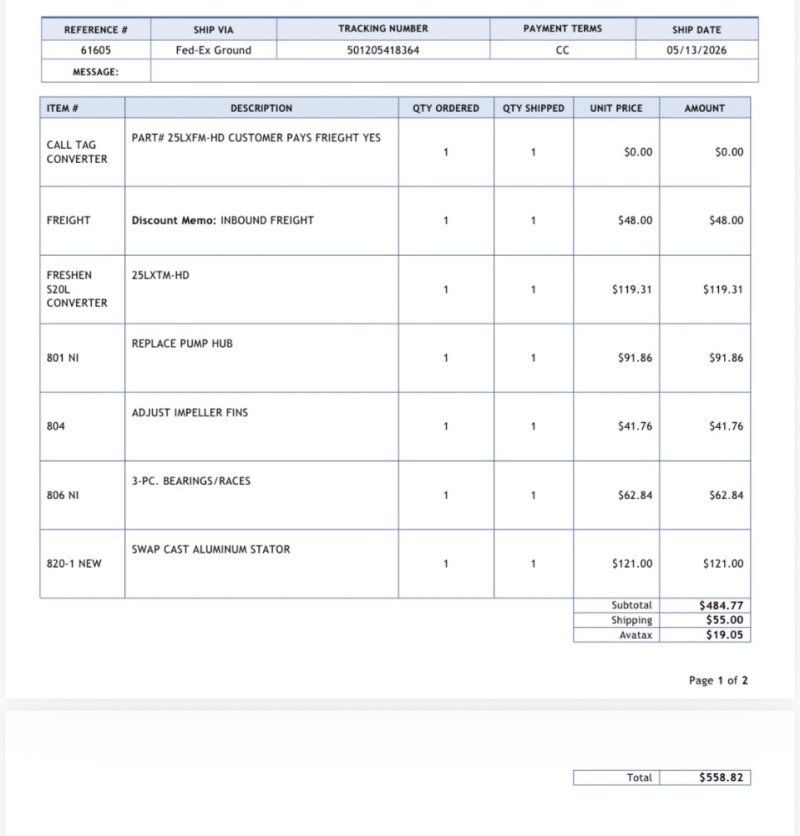
I looked around at some different options, and everything that seemed right was going to be super pricey, which is fine, but if I don’t have to spend money, I’m all for that. Also, I didn’t have a good use for the Hughes converter so it seemed like a good idea to contact Hughes and see if they would re-stall it. I called them and they said they could and would. We agreed on about a 2000rpm stall, which he said was basically where their gasser version of this converter stalls. He quoted me $395 plus parts - much cheaper than a new performance converter. It took about 2 weeks for it to show back up at my door. Here’s what all they did and what they charged:

IMG_3875.jpeg

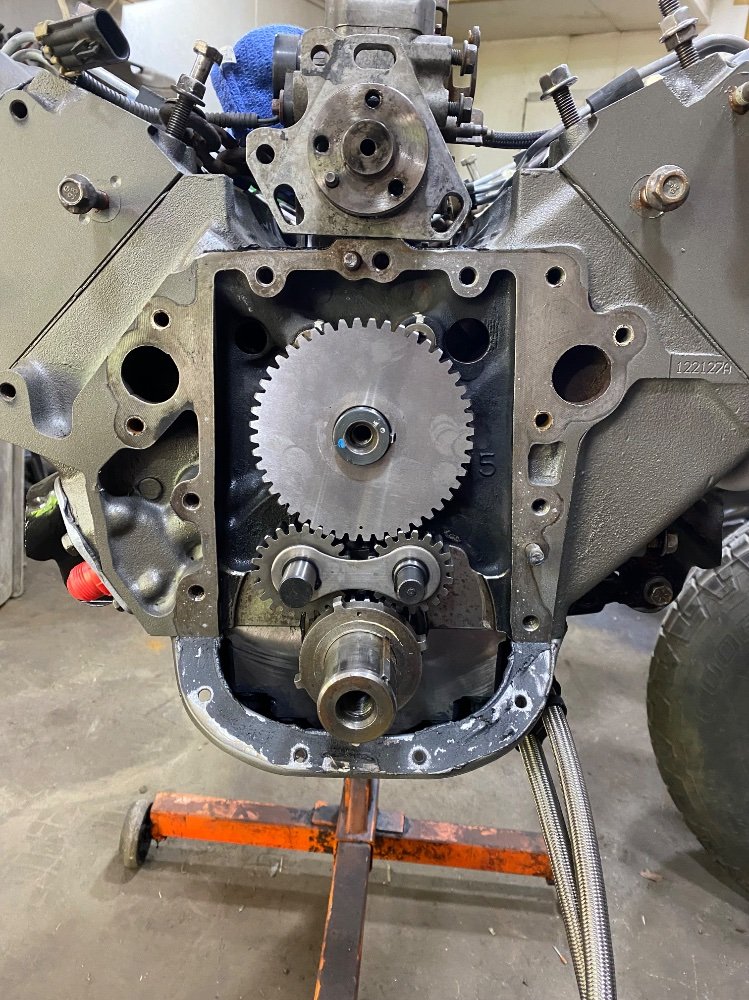
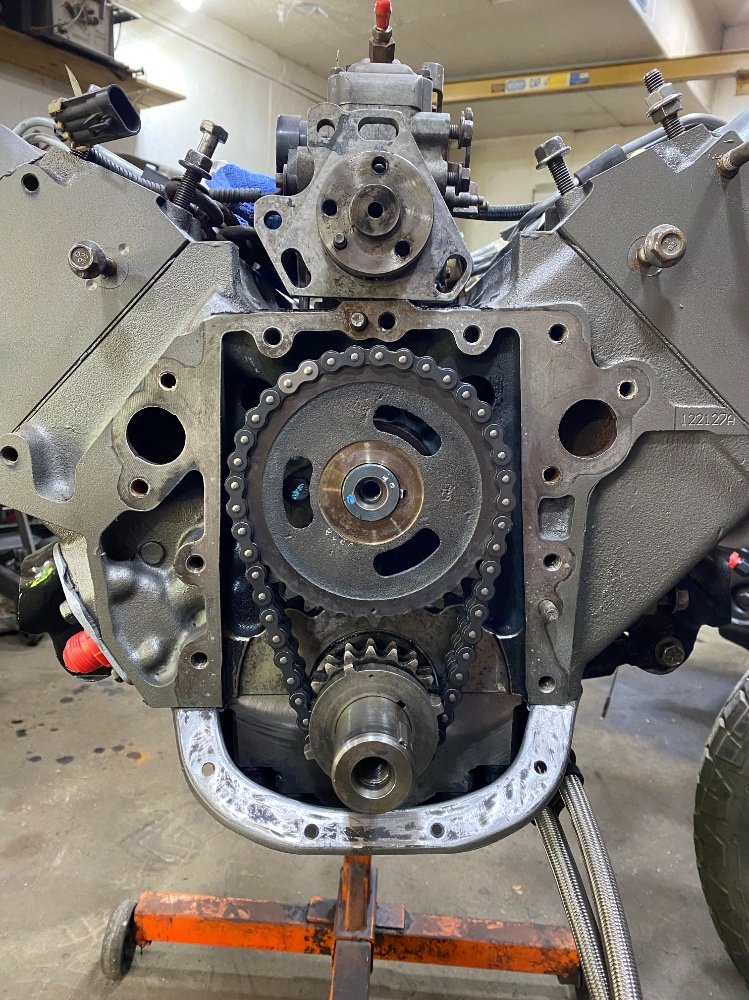
I swapped the converter, but I wasn’t done with the engine. I saw that recent thread about the gear drives and it convinced me to remove the one I had in this engine. The one I have was also from War Wagon, and since it was used I had no idea I had to check for clearance to the front cover when I installed it - I just put it in. So I had that concern on top of the overall durability question. I decided to pop open my freshly painted engine and install a regular timing chain. I got a brand new chain from GM. This gives me more piece of mind. Fortunately I was able to get it back together without messing up the paint - this epoxy primer and 2K paint is really durable! I’ll save the gear drive for the black Tahoe because that’s going to have a big pump in it which will be nice to have the gears for and I won’t be driving it as much and have to worry about durability, plus it won’t be a bummer to open it up for inspection periodically.

IMG_3857.jpegIMG_3858.jpegIMG_3859.jpeg
 
Back
Top